
Blog
The Essentials of Compression Couplings
Compression couplings may look simple, but they play a crucial role in keeping water and wastewater systems secure, efficient, and easy to maintain. Whether you are choosing a Smith-Blair compression coupling for a repair or planning upgrades for long-term reliability, understanding how these fittings work helps ensure your infrastructure stays leak-free and dependable.
From municipal water mains to industrial process lines, a failed joint can lead to leaks, service interruptions, property damage, and costly emergency work. A properly selected and installed compression coupling helps prevent those headaches by creating a strong, consistent seal between pipe sections. That is why these fittings are a staple in the toolkit of utility crews, contractors, and maintenance teams across the USA. But what exactly makes compression couplings so essential, and how long can you expect them to last in the field? Read on to learn about the basics of compression couplings.
What is a compression coupling?
A compression coupling is a mechanical fitting designed to join two sections of pipe by applying pressure to create a tight, leak-resistant seal. Instead of using welding, adhesives, or complex tools, the coupling relies on compression rings or gaskets that tighten as bolts or nuts are secured. The result: a fast, clean, and dependable installation. 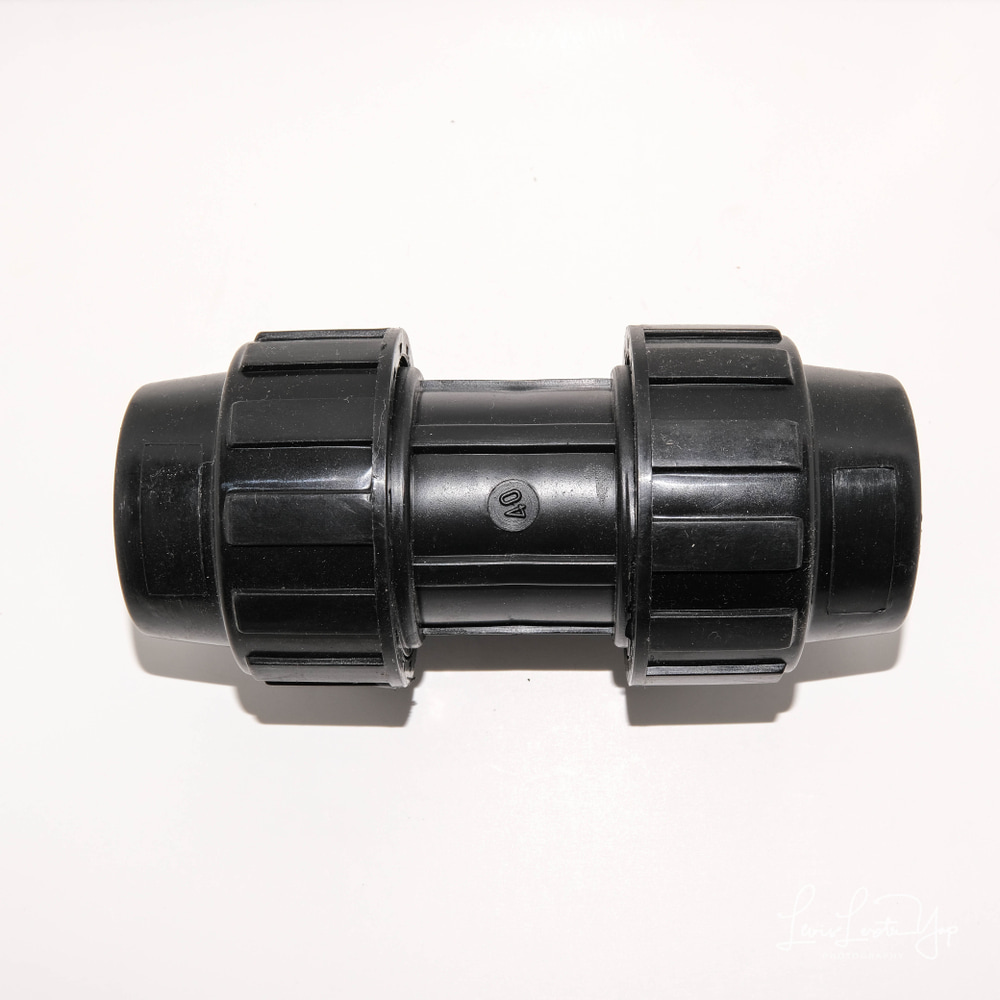
Compression couplings are frequently used in:
- Water distribution systems
- Sewer and wastewater pipelines
- Municipal utility repairs
- Industrial piping applications
- Irrigation networks
They work with a wide range of pipe materials, including ductile iron, PVC, HDPE, copper, and steel. Because they are flexible and adaptable, compression couplings are important and ideal for emergency repairs or situations where pipe ends are not perfectly aligned. Their ability to accommodate slight deflection and movement helps maintain a secure connection even when ground conditions shift.
Professionals often favor compression-style fittings because they minimize downtime. And for step-by-step guidance, many installers refer to resources and installation guides to ensure proper torque and gasket selection.
How long do compression couplings last?
The lifespan of a compression coupling depends on the material, environmental conditions, and how well the system is maintained. In most municipal and industrial water systems, high-quality compression couplings can last 20 to 50 years when properly installed.
A few factors influence durability:
1. Material quality
Couplings made from ductile iron, stainless steel, or other corrosion-resistant materials tend to last significantly longer.
2. Soil & environmental conditions
Areas with corrosive soils, constant moisture, or chemical exposure may reduce the lifespan of the coupling.
3. Pipeline pressure & vibration
Couplings installed in high-pressure or high-vibration locations should be monitored more frequently to ensure long-term performance.
4. Proper installation
Following the manufacturer’s torque guidelines and using the correct gasket materials helps ensure a secure, long-lasting seal.
Brands such as Smith-Blair engineer their compression couplings to meet strict industry standards for strength, corrosion resistance, and durability. Their performance is one reason many professionals choose compression couplings over compression fittings.
Where can I find a Smith-Blair compression coupling near me? 
Blair Supply is a trusted source for Smith Blair compression couplings and a wide range of water and wastewater utility products across the USA. Our team supplies contractors, municipalities, and utility professionals with dependable equipment built to handle tough field conditions. Whether you need a standard coupling for routine maintenance or a specialized model for an emergency repair, Blair Supply carries the top-performing products you can count on.
With our knowledgeable staff that’s there to answer any questions you have about compression couplings and the like, we provide fast delivery options and a strong inventory of water and wastewater utility equipment. Reach out to us today to find the compression coupling that fits your system and keep your water infrastructure running smoothly.