
Blog
3 Common Questions About Compression Couplings
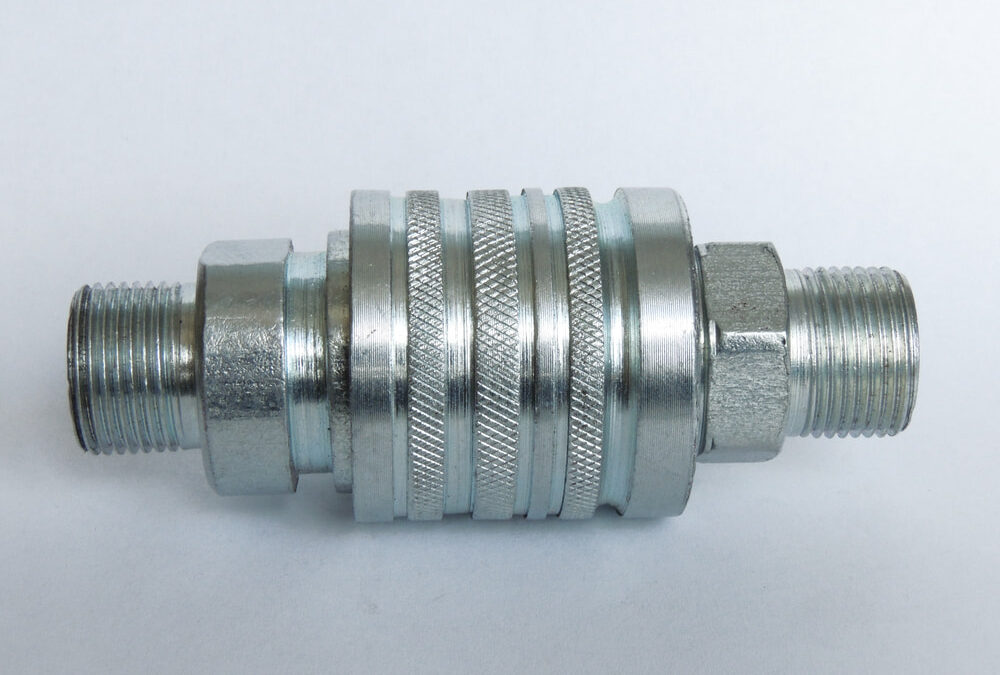
Smith-Blair compression couplings are a reliable choice for water and wastewater systems, helping contractors, municipal teams, and utility professionals connect pipes quickly and securely. Even though these fittings are simple in design, they raise important questions for anyone who does not work with them every day.
If you have ever wondered whether you are using the right fitting for a repair or if your coupling will hold up over time, you are not alone. This guide answers three of the most common questions about compression couplings and highlights key considerations for your next project. So keep reading to learn more!
What is the difference between a union and a compression coupling?
The difference between pipe fittings and couplings is important to understand. While unions and compression couplings may look similar at first, they serve different purposes. A union is a type of fitting typically used on smaller diameter pipes in plumbing systems, designed for situations where you might need to disconnect the line later. It consists of two end pieces attached to each pipe and a center nut that draws them together.
Compression couplings, on the other hand, are field-ready fittings used in water distribution, wastewater, and buried utility systems. They create a leak-resistant seal using gaskets or compression rings tightened around the pipe, eliminating the need for threading or welding. 
Unlike unions, they can accommodate slight misalignment or ground movement, making them ideal for repairs, emergency work, and industrial applications.
Some key differences:
- Alignment: Unions are best when pipes are already aligned and close together. Compression couplings tolerate slight misalignment and minor movement.
- Location: Unions are common in accessible indoor piping. Compression couplings are designed for trenches, vaults, and other field conditions.
- Installation: Unions require threaded or soldered ends. Compression couplings work on a plain-end pipe with the correct outside diameter.
What size compression coupling do I need?
Choosing the right size ensures a secure seal, puts less stress on the joint, and prolongs system life.
Here are a few key points to consider:
- Know your pipe outside diameter (OD): Compression couplings are sized to match the outside diameter of the pipe, not just the nominal size. Different materials with the same nominal size can have slightly different outside diameters. Always confirm the OD before selecting a coupling.
- Check the pipe material: Many compression couplings are designed for specific materials such as ductile iron, PVC, HDPE, or copper tube size (CTS) pipe. Make sure the coupling you choose is rated for the pipe type you are working with. Also, all pipes and fittings used for drinking water must meet EPA lead-free standards to ensure safe use.
- Allow for transitions if needed: If joining two different pipe materials or slightly different diameters, you may need a transition-style coupling. Some couplings are designed for this purpose and can handle a range of sizes within one fitting.
- Follow manufacturer sizing charts: Reputable brands provide detailed charts that match pipe sizes and materials to the correct coupling model. Referring to these charts helps avoid guesswork and ensures a secure fit.
You can also explore a coupling installation guide or similar articles to learn the basics of compression couplings.
Can you use a compression coupling on copper?
Yes, copper pipe can work with compression couplings designed for copper tube size (CTS). To ensure a long-lasting connection:
- Choose couplings specifically rated for CTS or copper pipe.
- Confirm the copper pipe’s OD matches the coupling specifications.
- Use manufacturer-recommended gaskets and torque settings.
When installed correctly, compression couplings provide dependable connections for water service lines, building connections, and small-diameter utility piping. We don’t recommend the use of
Where to find high-quality Smith-Blair compression couplings near me? 
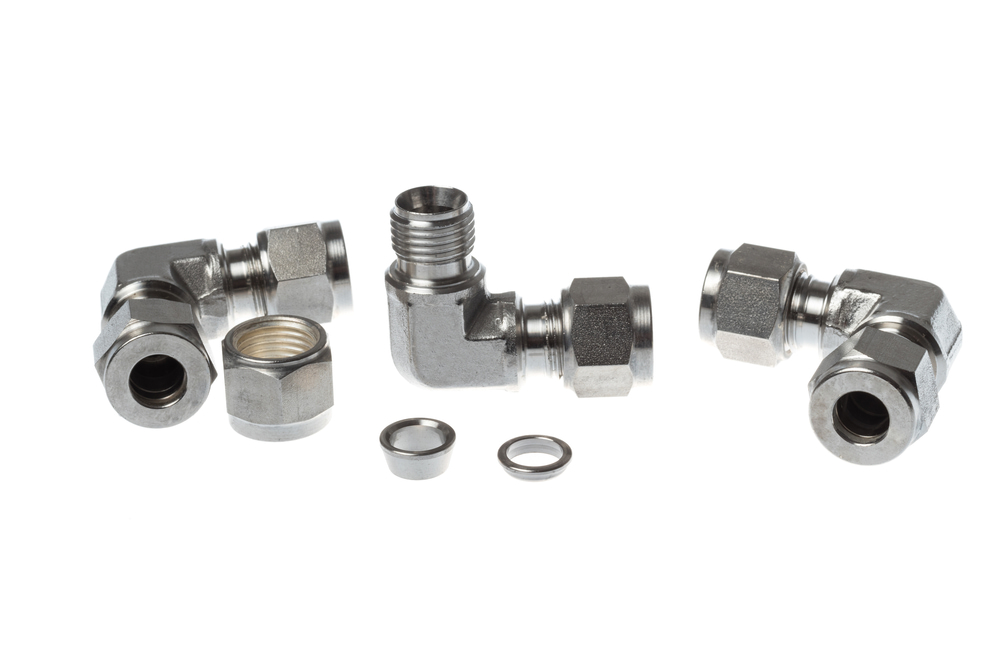
Blair Supply is a leading provider of Smith-Blair compression couplings across 50 states. Our inventory includes durable, field-tested fittings suitable for municipal, industrial, and commercial applications. Whether you need couplings for emergency repairs, routine maintenance, or new installations, we offer fast shipping and expert guidance to ensure you get the right product.
Blair Supply is here to support professionals with reliable equipment and knowledgeable service. Contact our team today to keep your water and wastewater systems running efficiently!