
Blog
Compression Couplings vs Compression Fittings: Key Differences
Compression couplings and compression fittings are both essential tools in plumbing and utility systems, helping professionals connect pipes or make repairs quickly and effectively. While they share some similarities in name and function, they are used in different ways and for different purposes. If you’re evaluating options like a 1-1/4 compression coupling, understanding these differences helps you make confident, well-informed decisions.
In this blog, we’ll explore what sets compression couplings apart from compression fittings, explain their individual uses, and help you decide which one is right for your system. So keep reading to learn more!
Are compression couplings different from fittings?
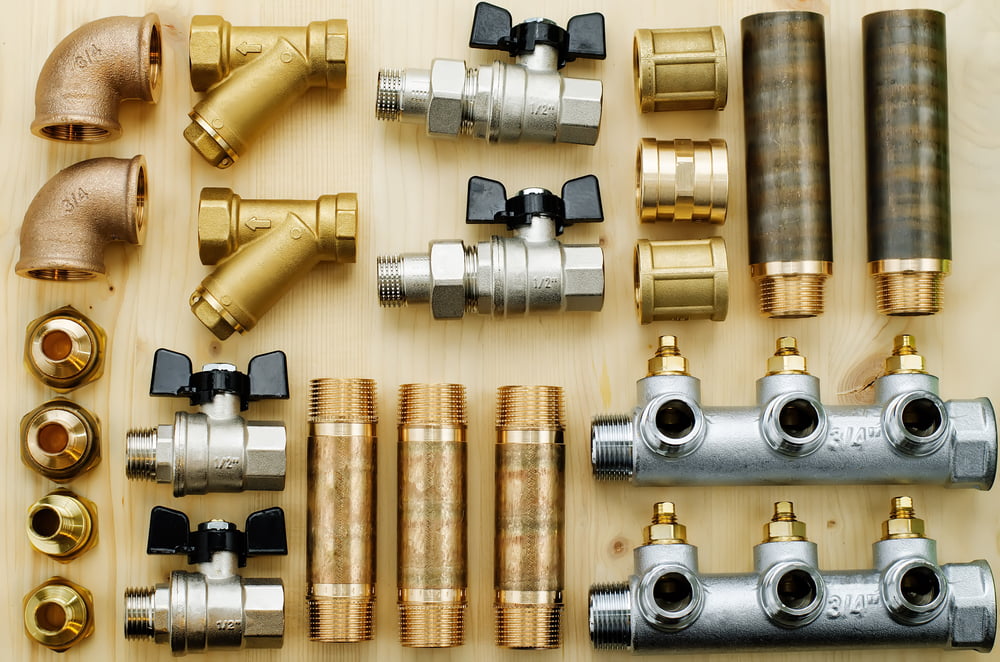
Despite their similar names, the two are not interchangeable. Compression fittings are a broad category of components that use a ferrule (compression ring) to seal the connection when the nut is tightened. They’re common in plumbing, HVAC, instrumentation, and equipment hookups where precise, compact connections are required.
Compression couplings, on the other hand, are specifically built to join two pipe ends, often in the field and under tougher conditions. They’re engineered for utility-grade durability, designed to bridge gaps, manage slight misalignment, and create a strong seal with larger gaskets and a bolted body. 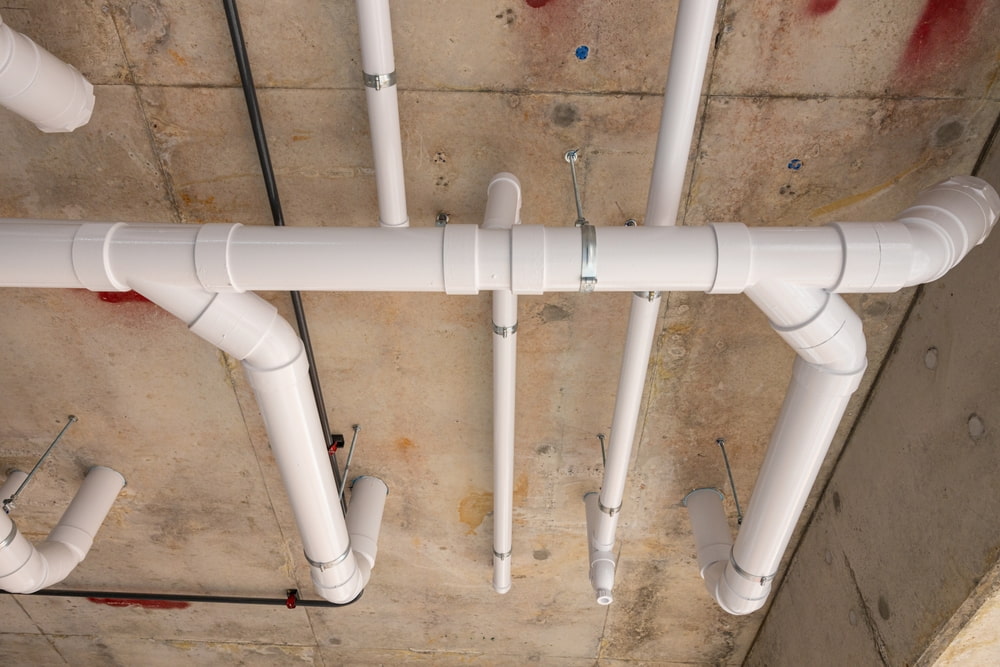
Key distinctions
- Purpose: fittings attach tubing/pipe to components; couplings join two pipe ends.
- Construction: fittings use ferrules; couplings use larger gaskets and a bolted housing.
- Applications: fittings appear in residential/commercial plumbing; couplings dominate municipal, industrial, and water/wastewater work.
For a clear foundational explanation of how these products function in real-world systems, a beginner-friendly overview of compression couplings can offer helpful context on why crews view them differently from standard fittings.
What is a compression coupling used for?
Compression couplings are used wherever a fast, secure, and low-intrusion connection is needed.
They are especially useful for:
- Water distribution mains: creating or restoring pipe connections quickly.
- Sewer and wastewater systems: providing a leak-resistant joint that tolerates movement.
- Emergency repairs: restoring service fast without threading, welding, or specialized prep.
- Industrial piping: handling large diameters and higher pressures (when properly rated).
- Agricultural and irrigation networks: adapting to shifting soils and frequent maintenance.
Professionals often double-check OD measurements, material compatibility, and pressure ratings before choosing a coupling. A concise installation guide, along with other articles that cover the most common questions about compression couplings, can help you understand how crews ensure a proper match.
Who can provide a top-quality 1-1/4 compression coupling near me? 
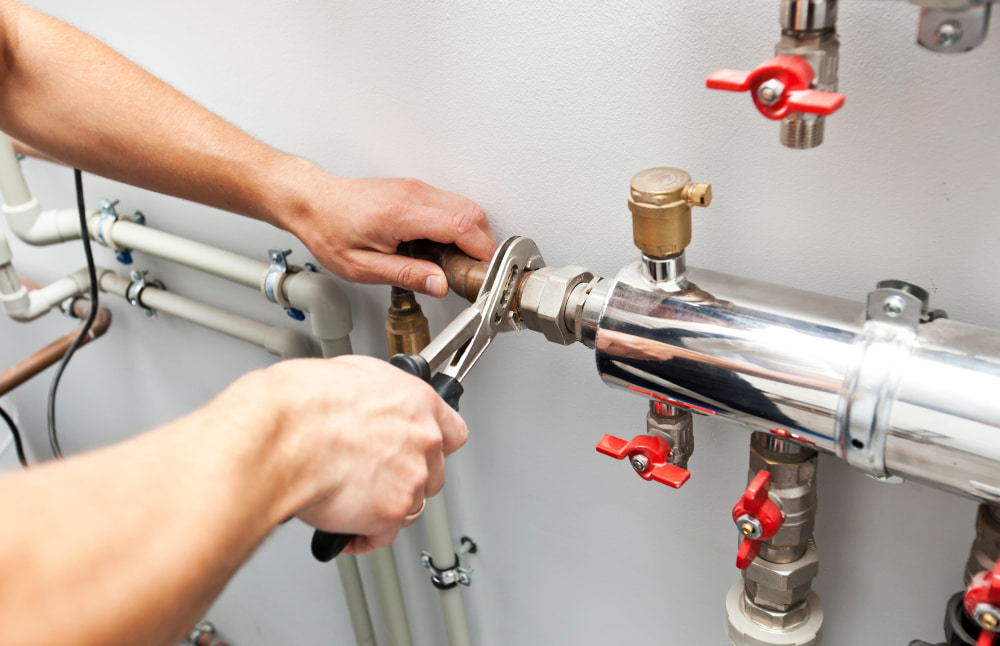
When you need a durable compression coupling for a repair or new installation, Blair Supply has you covered across the continental United States! Our team supports contractors, municipal crews, and facility managers with reliable, field-tested utility products designed to meet the demands of real-world conditions.
Whether you’re handling emergency repairs or upgrading infrastructure, we help you choose the right coupling based on pipe material, operating pressure, and environmental factors. With our fast shipping, comprehensive inventory, and deep industry expertise, getting the right component for your system has never been easier.
Reach out to Blair Supply today and access the high-quality equipment you need to keep your water and wastewater systems operating smoothly for years to come!