
Blog
Steel Pipe Coupling Selection Made Simple: Ratings, Fit & Field Conditions
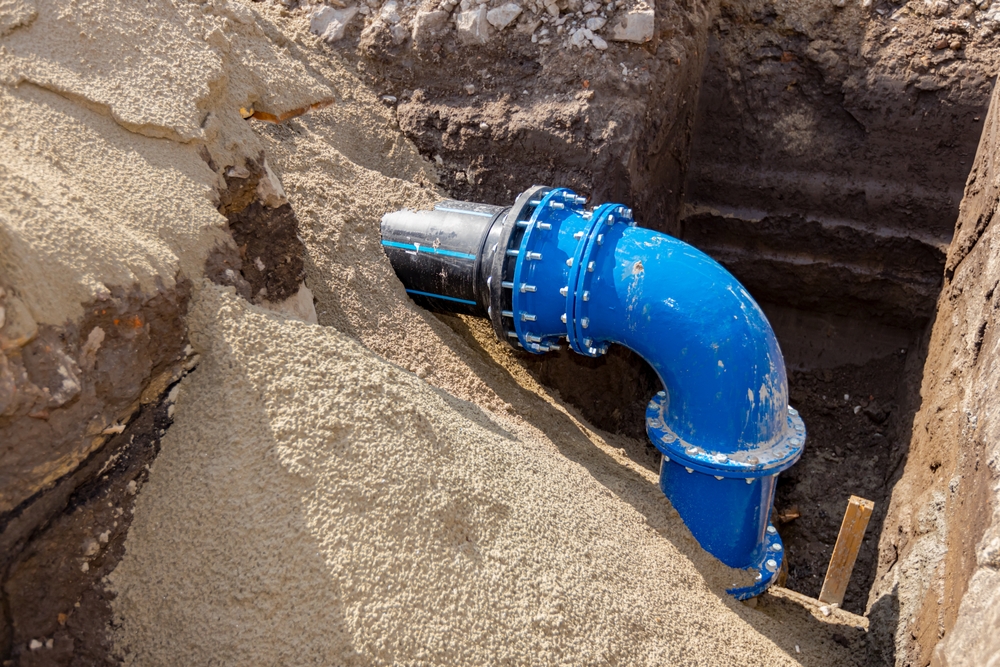
Choosing a steel pipe coupling sounds straightforward until you’re standing in front of a system that actually has to run: pressure on the line, vibration from pumps, thermal expansion, and a maintenance team that wants something reliable and serviceable. The “right” Smith-Blair 411 couplings aren’t just about connecting two pipe ends. It’s about making sure the joint can handle operating pressure, temperature swings, media compatibility, and any movement the system will see over time without leaking, loosening, or cracking.
In industrial and commercial piping, coupling choices often come down to how the pipe is joined (threaded, grooved, welded, or mechanical), what you’re flowing (water, steam, compressed air, chemicals), and what the environment looks like (corrosive, outdoor exposure, washdown). A good selection process starts with the operating conditions, then narrows to the coupling style and material grade that meet code requirements and site realities.
How do I choose a steel pipe coupling?
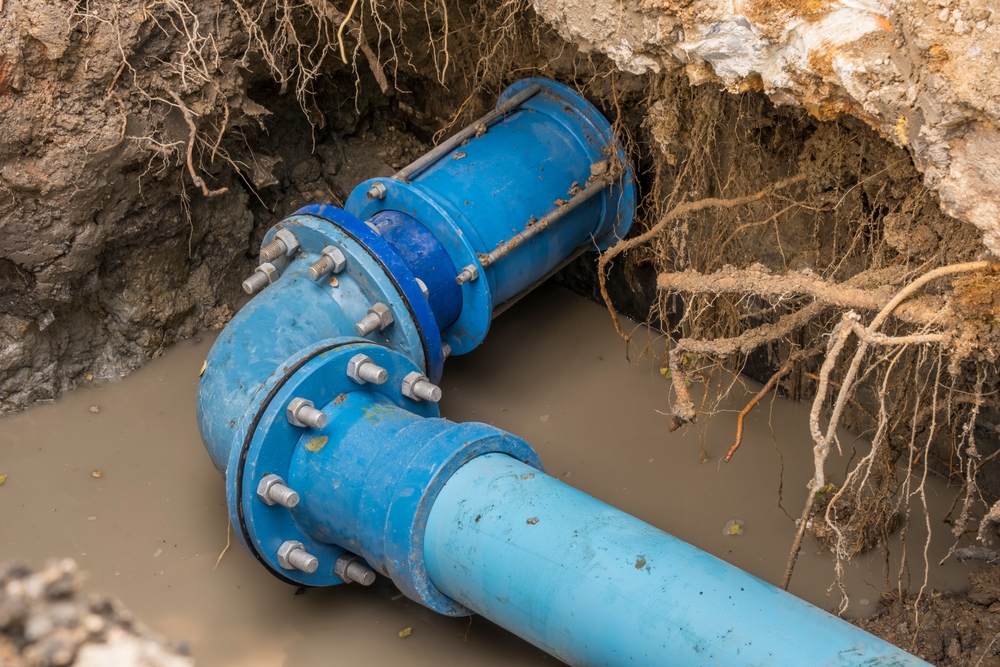 Choose a steel pipe coupling by matching the coupling type and rating to your pipe size, pressure class, temperature range, and media, then confirm it can tolerate movement (misalignment, vibration, thermal growth) and still meet installation and space constraints.
Analyze the application
Start by understanding what the coupling will experience in operation and determining if the system is under shock load, high speed, or constant torque. In piping, “shock load” often shows up as water hammer, sudden valve closures, pump starts/stops, or compressor pulsation. Even if the line pressure is “normal,” transient spikes can be what damages connections over time. Also look at vibration sources: rotating equipment, nearby machinery, or turbulent flow.
What to evaluate:
- Operating pressure and temperature, plus likely transients (surge events).
- Flow media and compatibility (corrosion risk, chemical attack, steam service).
- System movement: thermal expansion, settlement, or equipment vibration.
- This step typically determines whether you need a rigid connection (where movement is controlled elsewhere) or a coupling style that provides a bit of compliance to protect the line.
Define dimensions
Match the coupling bores to the shaft sizes and check for keyway requirements. For steel pipe couplings, the “dimensions” piece is about matching the coupling to pipe OD and schedule, end connection style, and any required standards (NPT threads, grooved ends, butt-weld ends). If you’re using a grooved mechanical coupling, the groove dimensions and pipe wall thickness must match the manufacturer’s specifications. If threaded, verify thread type and engagement length.
Checklist items:
- Pipe size (nominal), outside diameter, and schedule/wall thickness.
- End prep: threaded, grooved, plain-end, or weld-end.
- Applicable standards and codes (common ones include ASME/ANSI and project specs).
- Compatibility with existing components (valves, fittings, unions) and installation tooling.
Safety factors
Increase the calculated nominal torque based on the application to prevent failure. In piping terms, think “safety factor” as a margin against pressure spikes, fatigue, and unknowns. If the coupling has a pressure rating, don’t treat it like a target. Treat it like a baseline. If your system is prone to surges or you can’t fully control operating conditions, select a higher-rated coupling or a style designed for dynamic systems.
How to apply margin intelligently:
- Account for surge/water hammer by selecting a coupling rated above the steady-state operating pressure.
- Consider temperature derating if the coupling or gasket/seal materials have limits.
- Factor in corrosion allowance: if the environment or media can reduce wall thickness over time, build a margin now.
- The goal is to avoid a coupling that survives the initial commissioning but fails after months of real duty.
Consider misalignment
Try to choose a flexible coupling (e.g., jaw, gear) if the shafts are not perfectly aligned. In pipe systems, “misalignment” usually means slight pipe offset, angular mismatch at the joint, vibration-induced movement, or thermal growth that shifts alignment during operation. While jaw and gear couplings are classic shaft coupling examples, the equivalent idea in piping is choosing a connection that can tolerate movement without stressing the pipe or leaking.
Options that help with movement:
- Grooved mechanical couplings (often allow some angular deflection and linear movement depending on type).
- Expansion joints or flexible connectors near pumps and equipment nozzles.
- Coupling styles designed for vibration-prone service with robust gaskets and housings.
Who is the leading supplier of Smith-Blair 411 couplings in the United States?
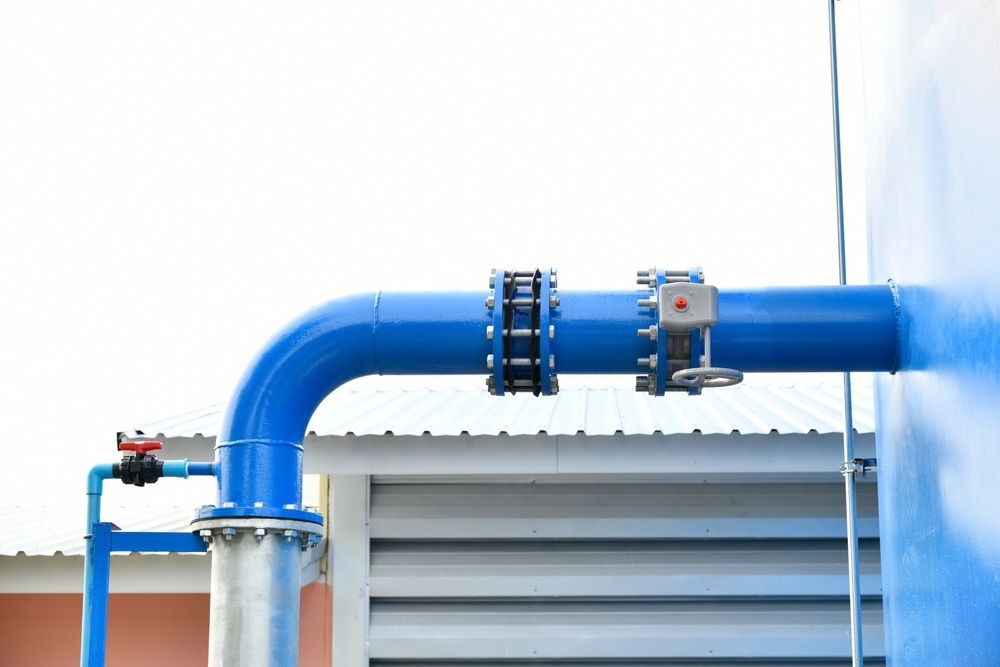 If you’re looking for robust quality, lasting reliability, and flexible solutions for a wide range of applications, Blair Supply is the team to call all across the US. We boast almost 70 years of experience in helping corporations, municipalities, and homeowners outfit their systems with high-end utility products.
If you’re not sure how to select the right steel coupling, want to learn more about the uses of Smith-Blair 411 pipe couplings, or you need help avoiding common mistakes in steel pipe coupling installation, our support team is always here to offer guidance and solutions. Get in touch with us today!