
Blog
How Do You Install A Steel Pipe Coupling Correctly
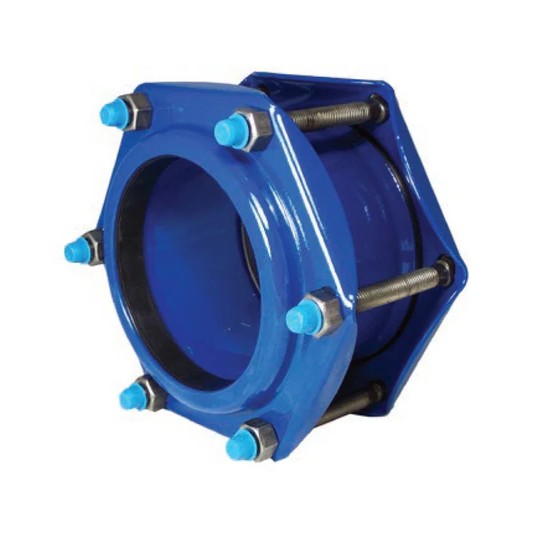
Installing a Smith-Blair steel pipe coupling requires precision, technical knowledge, and strict adherence to manufacturer specifications. Even though these couplings are engineered for durability and strength, improper installation remains one of the leading causes of leaks, gasket failure, and premature system breakdown. In high-pressure water, gas, steam, and air systems, mistakes are not minor inconveniences — they can result in costly downtime, safety hazards, and compliance issues.
Understanding the risks associated with improper steel pipe coupling installation is critical before any work begins. For that reason, installation should always be handled by trained professionals who understand system pressures, pipe tolerances, and torque requirements. Below are the most common mistakes that occur during installation — and why avoiding them is essential.
What are the most common mistakes in steel pipe coupling installation?
1. Incorrect pipe surface preparation
One of the most frequent errors is failing to properly clean and prepare the pipe ends. Steel pipes must be free from corrosion, scale, oil, old coatings, and debris before installation.
Even small surface imperfections can prevent the gasket from sealing evenly. When the gasket does not sit flush against the pipe, leaks may not appear immediately — but they often develop once the system is pressurized. Professionals rely on detailed inspection procedures rather than shortcuts or assumptions about surface condition.
2. Using the wrong coupling size
Incorrect sizing is a major cause of sealing failure. Professionals do not rely on visual estimation; instead, they follow a step-by-step guide on choosing the right size to verify pipe outside diameter, wall thickness, and pressure class.
Attempting a simple selection of steel pipe coupling without proper measurement tools can lead to uneven gasket compression or housing distortion. Selecting the correct size is not optional — it is foundational to system safety and performance. Professionals use industry standards that provide guidance on piping dimensions and pressure requirements to ensure compatibility and compliance.
3. Improper bolt tightening sequence
Another common mistake is tightening bolts unevenly or in the wrong order. Fully tightening one side before gradually compressing the other creates uneven pressure distribution around the gasket.
This can distort the housing or cause premature gasket wear. Certified installers use calibrated torque wrenches and apply tension in a cross-pattern sequence to maintain balanced compression. Over-tightening can be just as damaging as under-tightening. Excess torque may compromise bolt integrity or deform the gasket beyond its designed limits.
4. Misalignment of pipes
Steel pipe couplings are designed to allow slight deflection — not to correct major alignment problems. Forcing misaligned pipes into place during installation introduces stress that weakens the joint over time.
Infrastructure reliability depends on proper pipe alignment and support. Professionals verify alignment before tightening and ensure pipes are properly anchored to prevent movement that could strain the coupling.
5. Skipping pressure testing
Failing to perform a pressure test after installation is a serious oversight. Even when installation appears correct, only a controlled pressure test can confirm a leak-free seal under working conditions.
Understanding what steel pipe couplings are used for often in high-pressure or temperature-sensitive environments highlights why testing is essential. These systems frequently carry critical utilities such as water, steam, or gas, where failure is not acceptable.
Skipping testing can lead to undetected leaks that escalate into larger operational or safety issues.
6. Attempting installation without proper expertise
Steel piping systems often operate under demanding mechanical and environmental conditions. Installation errors in these systems are not minor technicalities — they can result in equipment damage, downtime, or injury.
Professional installers are trained to follow manufacturer specifications precisely. They understand torque requirements, gasket behavior under compression, and how pressure fluctuations impact mechanical joints. This expertise significantly reduces risk and ensures long-term system integrity.
Why does professional installation matter?
Correct installation protects not just the coupling, but the entire piping system. It ensures even gasket compression, structural stability, and consistent sealing performance over time. It also supports compliance with engineering standards and safety regulations.
In high-pressure environments, there is no room for guesswork. Proper preparation, precise sizing, balanced tightening, and mandatory pressure testing are all critical components of a successful installation.
 Where to find the best Smith-Blair steel pipe coupling in the US?
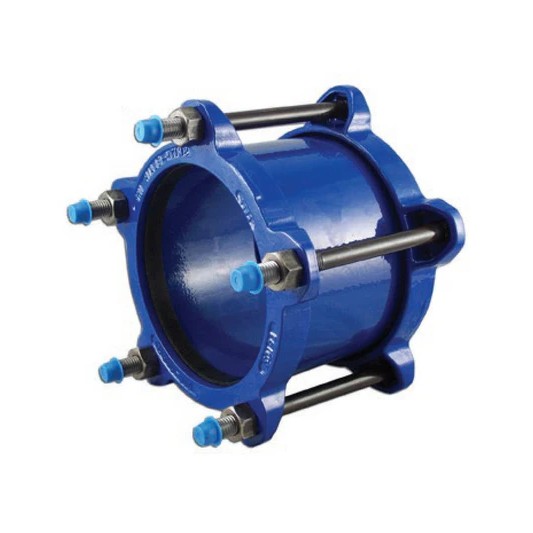 Where to find the best
 At Blair Supply, we provide high-quality Smith-Blair couplings designed for durability and performance in mechanical and high-pressure systems. We work closely with contractors, engineers, and municipalities to ensure the right components are selected for each application.
When you partner with us, you gain access to dependable products, knowledgeable support, and industry expertise you can trust. Contact Blair Supply today to secure the right coupling solution for your next professional installation.