
Blog
After the Install: How to Maintain Your HDPE Water Service Line
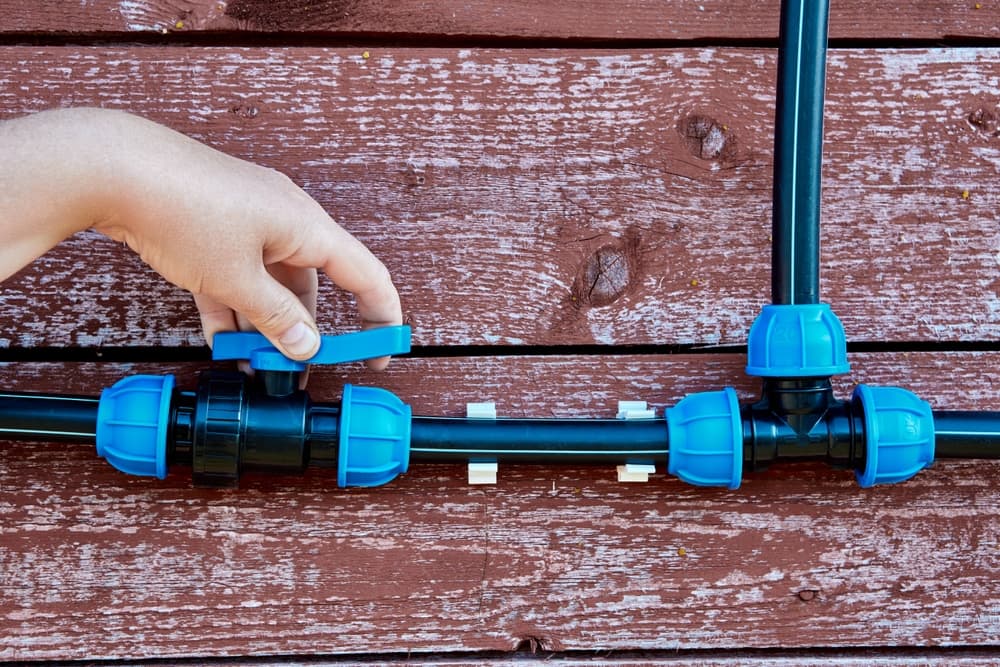
Once your new high-density polyethylene water pipe is in the ground, you can expect years—often decades—of dependable performance. These systems are known for their flexibility, corrosion resistance, and long lifespan. But while they’re impressively low-maintenance, “low” doesn’t mean “none.” To get the most out of your installation, a little attention goes a long way. From pressure checks to monitoring fittings, knowing how to care for your HDPE system helps prevent small issues from becoming costly repairs later.
What type of routine maintenance is needed for plastic pipes?
Plastic piping systems, including those made of HDPE, are built to withstand high-stress environments and daily use. Still, regular inspection and upkeep help ensure that your line continues operating efficiently under demanding conditions, including harsh winter temperatures.
The good news? You don’t need advanced plumbing skills or heavy equipment to perform basic maintenance. Let’s break down the key areas to focus on when maintaining your plastic water line after installation.
1. Inspect fittings and joints regularly
Even though HDPE joints are typically fused together—creating one continuous, leak-resistant line—fittings and transitions to metal or PVC connections can sometimes loosen over time. Check visible joints at least once a year for any signs of moisture, discoloration, or corrosion at transition points. Early detection helps prevent leaks before they become major concerns.
2. Monitor water pressure
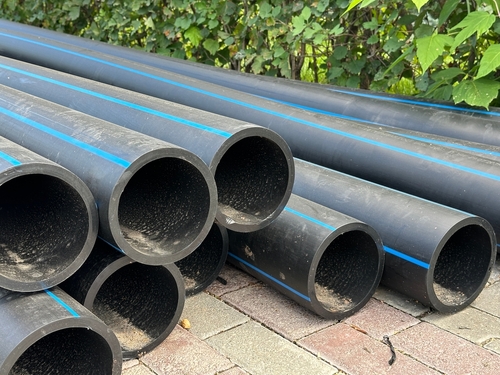
Your water pressure can tell you a lot about the health of your system. A sudden drop might indicate a small leak or blockage, while consistent high pressure can strain fittings and valves. Use a simple pressure gauge to ensure readings stay within normal ranges (typically 40–80 psi for residential systems).
Why it matters:
- Prevents premature wear on valves and joints
- Helps detect leaks early
- Reduces risk of water hammer (pressure surges)
3. Flush the line periodically
Sediment and minerals can accumulate in any water system over time. Flushing your line every 6–12 months helps clear out any buildup that could affect flow or water quality. This is especially important if your home or facility experiences frequent water interruptions or if you’re in an area with hard water.
To flush the system:
- Turn off interior valves and open outdoor spigots.
- Allow water to run until it flows clean and clear.
- Close spigots gradually to avoid pressure surges.
4. Check for soil movement and exposure
HDPE’s flexibility allows it to tolerate ground shifts better than rigid materials, but extreme soil movement or erosion can still expose or stress the pipe. After heavy rains or landscaping work, inspect areas where the line is buried shallowly or crosses near slopes. If any part becomes visible or unsupported, backfill it with clean, compacted soil.
5. Watch for discoloration or taste changes in water
Changes in water clarity or taste might not be related to the pipe itself—but they can signal issues like biofilm buildup or contamination near fittings. If you notice anything unusual, it’s best to have your system flushed and tested by a qualified technician.
Who’s the leading supplier of high-density polyethylene water pipes?
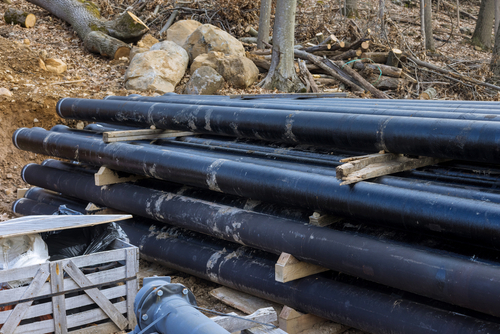
With 60 years of excellence and a wide network of distributors, Blair Supply Corp is the leading choice for high-quality materials, reliable advice, and stress-free sourcing across the US. Our selection of products is meticulously curated to ensure quality and is supplied directly from the most reputable manufacturers in the industry.
No matter if you are looking for dependable HDPE pipes for sewer infrastructure or maintaining a residential water service line, at Blair Supply Corp, we can help you with the premium product selection, reliable delivery, and other aspects of sourcing. Reach out today!