
Blog
How to Select the Right Mueller Fitting for Your HVAC or Plumbing Job
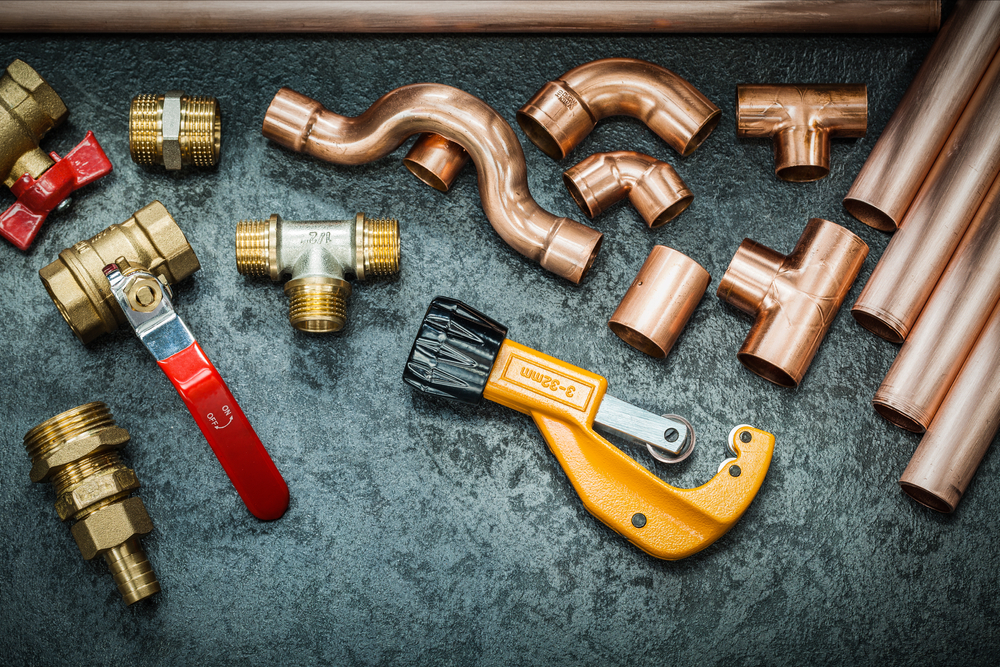
When working with pipes and tubing, the right connection can be the difference between a reliable system and a costly repair. Mueller compression fittings are one type of component that offer durability, easy installation, and leak resistance—especially important in plumbing and HVAC jobs. Whether you’re a contractor, technician, or a hands-on property owner, knowing how to choose the best fitting is key. In this article, we’ll walk through how to evaluate your needs and match them to the right solution for lasting performance.
How do I choose the right fitting for my HVAC or plumbing project?
 Selecting the proper component depends on the specific system, material compatibility, and application requirements. It’s important to evaluate several core factors before making a decision.
1. Know your pipe material
Fittings must be compatible with the material of your piping—copper, PEX, CPVC, or otherwise. Using the wrong type can cause leaks, corrosion, or failure over time. Always match the fitting specs with the manufacturer’s guidelines for your pipe type.
2. Understand pressure and temperature ratings
Every part has a defined range for pressure and temperature, which must align with your system. For HVAC, where refrigerants are involved, this is especially critical to ensure safety and efficiency. Look for clearly labeled specs that meet or exceed your system’s operational demands.
3. Choose the right type of connection
From push-fit and sweat to flare and threaded, fittings come in various styles for different use cases. Some are better for quick installations, while others offer higher strength or permanence. Consider whether the job is a repair, retrofit, or new build when selecting your connection type.
What should I consider when picking a fitting for heating and cooling systems?
Heating and cooling environments place unique demands on system components. The right selection ensures efficiency, safety, and long-term operation.
1. Compatibility with refrigerants or hot water
Not all components are suitable for use with refrigerants or high-temperature fluids. Select parts that are rated and approved for HVAC service specifically. This helps avoid breakdowns or dangerous leaks down the line.
2. System accessibility and maintenance
Some fittings are easier to install or remove in tight or complex spaces. In HVAC systems, access for future maintenance is a real consideration. Opt for designs that balance reliability with serviceability.
3. Approval and certification standards
Check for industry-standard certifications like UL, NSF, or AHRI. These designations confirm that the part has been tested under real-world conditions. Certified components give peace of mind and help with code compliance.
How can I find durable Mueller compression fittings near me?
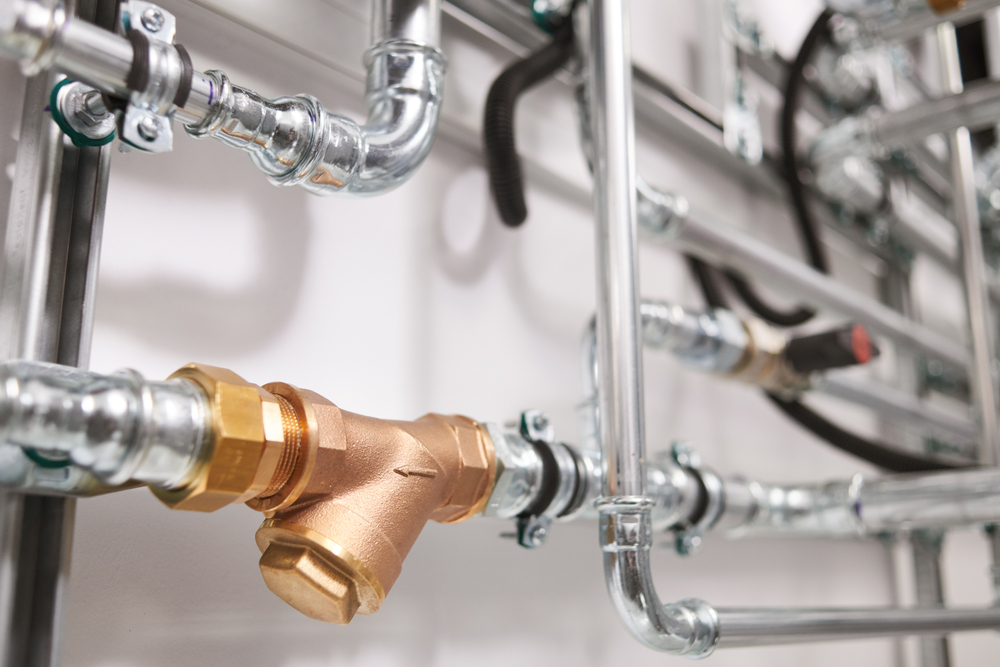 Blair Supply is your trusted source for high-performance fittings for HVAC and plumbing systems. We stock a full selection of industry-proven products designed for lasting results in even the toughest environments. We help you make the right fitting selection, understand the fundamentals behind these components, and offer guidance on proper installation practices to ensure long-term reliability. Our team also provides tips on how to source authentic fittings and avoid the risks that come with off-brand or counterfeit products. Call or message us today to get the right solution for your next project—we’re here to help you get it done right.