Blog
Kennedy Hydrant Maintenance: What Should Be Checked?
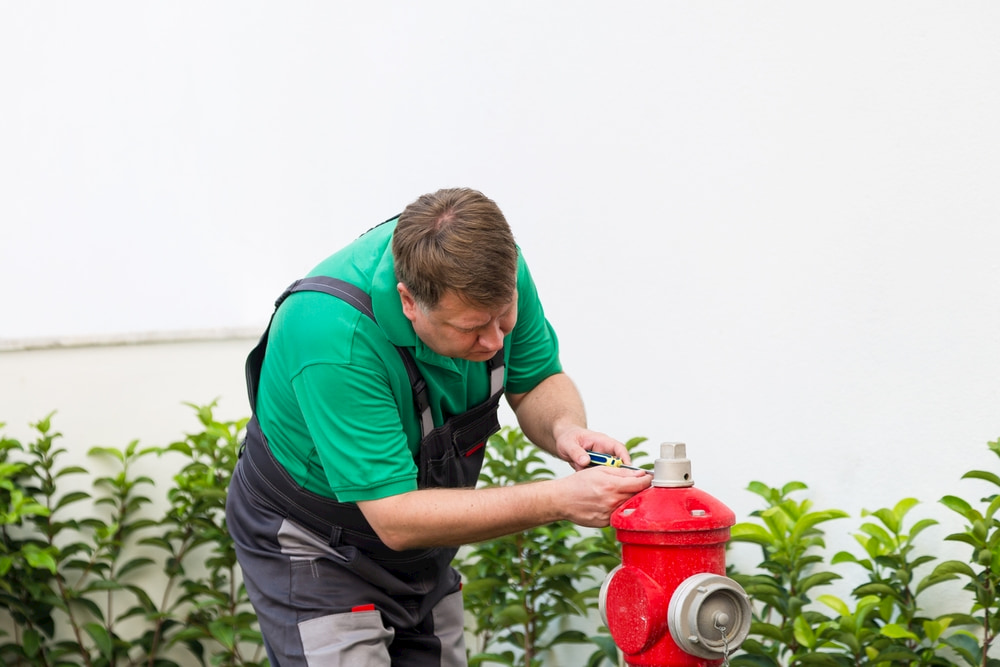
A hydrant can look ready for service from the street while a sticking operating nut or blocked drain goes unnoticed. Those problems may become apparent only when crews need the equipment. Regular inspection helps crews identify problems before emergencies arise. If a hydrant needs replacing, reviewing Kennedy Guardian hydrant options can help identify the appropriate model.
For a utility or contractor responsible for a Kennedy fire hydrant, the inspection should follow the manufacturer’s guidance and local maintenance requirements. The hydrant’s exterior condition matters, but proper operation and drainage are equally important. Here is what a thorough check should cover.
How often should a fire hydrant be inspected?
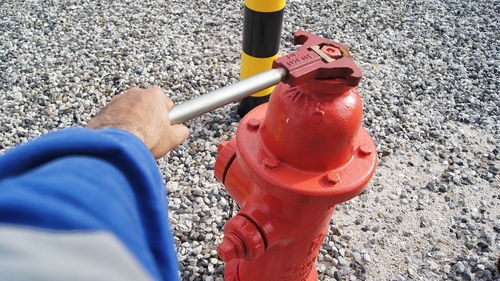
Kennedy’s published Guardian instructions recommend inspection twice a year, generally in spring and fall. They also advise checking the unit after each use during extremely cold weather. This matters for dry-barrel models because water left standing in the barrel can freeze and damage components.
Schedules are not identical across every system. Public units fall under a utility’s maintenance program, while private installations may have separate fire-code requirements. In Rochester, the city’s Bureau of Water assigns maintenance and repairs to dedicated distribution-system crews. Property owners and contractors should confirm which authority is responsible before arranging testing or service.
Do additional inspections become necessary?
Yes. A suspected leak or difficult operation should trigger attention outside the normal schedule. A collision calls for assessment as well, even if the upper barrel appears intact. It is also sensible to reassess a unit after construction changes surrounding ground level or access. Waiting for the next routine visit can leave a known defect unaddressed.
What maintenance do fire hydrants need?
A service visit should establish whether the assembly remains accessible and operates as intended. Exact procedures vary by model, so crews need the correct manufacturer’s instructions and authorization to work on the water system.
Check the exterior & access
Inspectors look for damaged castings and signs that the traffic flange has been struck. Nozzle caps should be present and usable, with their threads and seals in suitable condition. Clearance is just as important. Landscaping or changes to nearby grading can make outlets harder to reach. If the assembly has been struck by a vehicle, crews need to assess the damage rather than assuming the visible upper section is the only affected part.
Confirm operation & check for leakage
The operating nut should turn without unusual binding or excessive force. Inspectors also check for seepage around seals and whether the main valve closes properly. Kennedy’s Guardian guidance cautions against forcing the operating mechanism beyond its travel limits, which can damage internal parts.
The manufacturer’s maintenance instructions include checking for leakage through the main valve using listening equipment. Where lubrication is called for, crews should use products and methods approved for the particular assembly.
Make sure the barrel drains
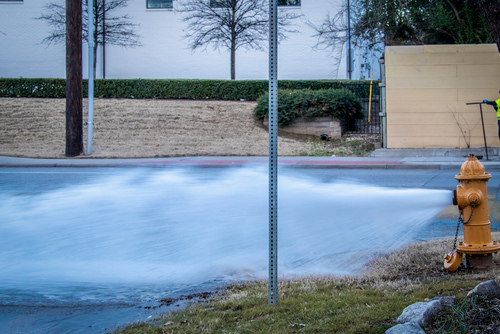
Drainage is especially important on dry-barrel designs. After authorized operation, the barrel should empty as intended so standing water does not remain inside during freezing temperatures.
If drainage is poor, the cause needs investigation. The drain passage may be obstructed, but some hydrants have intentionally plugged drains because of high groundwater levels. In freezing climates, these installations must be pumped out after use to prevent water from remaining in the barrel.
Keep service records specific
An inspection record should identify the location and model. It should also note any defects and what action followed. Inspection records should identify the specific Kennedy Guardian model, since different configurations may require different components or maintenance procedures.
Crews may also document operating observations and results from authorized flushing or testing. However, pressure figures do not establish available flow by themselves. Those measurements describe different aspects of the water system and should be recorded accurately rather than treated as interchangeable.
Repeated findings are useful when planning future work. A cap that repeatedly seizes or a recurring drainage issue deserves more attention than simply recording it again. During future project selection, access to replaceable components can matter over time, particularly when maintenance is expected to be handled without extensive excavation.
Where can I find a reliable Kennedy fire hydrant in Rochester & the area?
At Blair Supply, we carry Kennedy Valve products, including Guardian fire hydrants, for water-main and fire-protection projects. We also provide Guardian product submittals to help you review model specifications, connection requirements, and available configurations before ordering.
Whether your project is near the Susan B. Anthony House or elsewhere around Rochester, bring us the required model and connection information, along with any relevant project specifications. Our team can help match the requested material to the available Kennedy products and prepare a quote. Reach out to discuss your order.