Blog
How to Choose the Right Meter Box Key for Pentagon Bolts
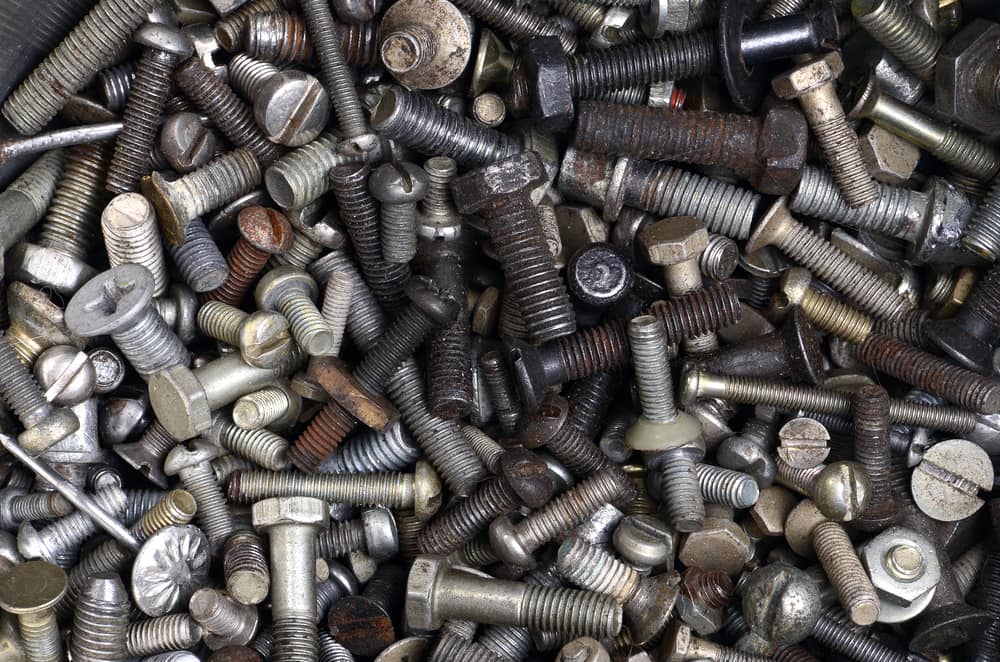
Field access should be simple, controlled, and repeatable. The job can slow down fast if the lid hardware is worn, packed with dirt, or matched with the wrong access product. That is why tools for meter boxes should be selected by bolt type, reach, grip, and field conditions instead of convenience alone.
A proper key helps authorized crews open covers with less forcing, reduces avoidable lid damage, and keeps the service sequence more predictable from the first turn to the final check. Keep on reading to learn what works best for pentagon bolts.
How to open a water meter cover with a pentagon lock?
Keep in mind that It should be opened only by authorized utility, municipal, plumbing, or maintenance personnel using a key designed for that bolt shape. The operator should first clear visible dirt or debris from the bolt area, seat the key fully onto the pentagon head, apply steady pressure, and avoid twisting at an angle.
If the key slips, does not seat fully, or requires excessive force, it’s important to stop and reassess the fit, hardware condition, and surrounding lid. Forcing the wrong key can round the bolt, damage the cover, or make future access much harder.
Start with the bolt profile
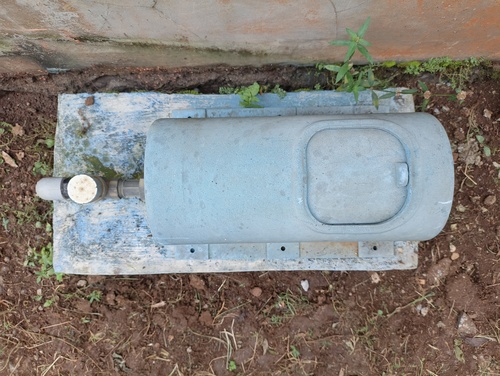
A key that is close but not correct may grab the bolt at first, then slip under pressure. That can shave the edges, create uneven wear, or leave the hardware harder to operate on the next visit.
Before ordering or using a key, crews should always confirm the bolt style used on the covers they service most often. The match should be based on the actual field hardware, not a general assumption that all covers use the same setup.
Check reach & working clearance
Some covers sit low, while some bolts are recessed or surrounded by dirt, grass, gravel, or pavement edges. A key may have the correct profile but still be an awkward fit if it does not give the operator enough reach or control.
Handle length, shaft design, and grip shape can all affect use. A longer handle may help with leverage, while a compact design may be easier in tight areas. The best choice depends on what your crew handles and how much clearance is usually available around them.
Use a dedicated key instead of improvising
Improvised access is a common source of field damage. Wrenches, pry bars, pliers, and screwdrivers may look like quick fixes, but they are not shaped for controlled engagement with pentagon hardware. They can slip, bend lid edges, or damage bolt surfaces. A purpose-built product supports cleaner contact with the bolt and helps the operator maintain better control through the opening process.
Inspect the lid before applying force
A cracked lid, shifted frame, buried edge, or corroded bolt may need extra care. If the cover is under tension or packed tightly with debris, forcing the bolt can create more problems.
A short inspection is a good way to prevent avoidable damage. Clear the bolt area, confirm the key seats properly, and apply pressure gradually. If resistance feels unusual, it is better to pause than continue until the hardware fails.
Protect the lid for future service
A damaged cover does not only affect one visit. Rounded bolts, bent rims, and cracked lids can slow down every later call. They can also create replacement costs and field delays that could have been avoided with better access practices.
Using the correct key and the right approach helps reduce lid damage. Crews should focus on controlled seating, steady motion, and careful removal rather than speed alone.
Match the equipment to your crew’s workload
A team that opens a few covers occasionally may have different needs than a utility crew handling repeated stops throughout the week. Frequent use calls for dependable construction, comfortable handling, and predictable fit.
Replacement planning matters too. If an access key is bent, worn, or no longer seats cleanly, it should be reviewed before it causes bolt damage in the field. Keeping reliable equipment on hand helps crews avoid delays during scheduled reads, shutoffs, inspections, and service calls.
Who can supply reliable tools for meter boxes?
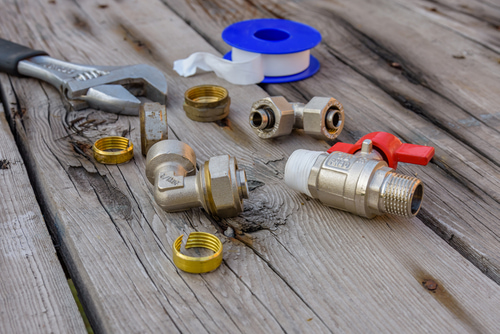
For crews handling access in changing field conditions, Blair Supply offers practical product support backed by straightforward ordering and knowledgeable service. From our Rochester, NY base, we help contractors, municipalities, utilities, and maintenance teams across the USA source equipment that fits the task instead of slowing it down.
Whether your route takes you near the Susan B. Anthony House or through service areas far beyond New York, our team can help you order with confidence before the next job begins. Call us today!