
Blog
How JM Eagle HDPE Pipes are Changing Sewer Infrastructure
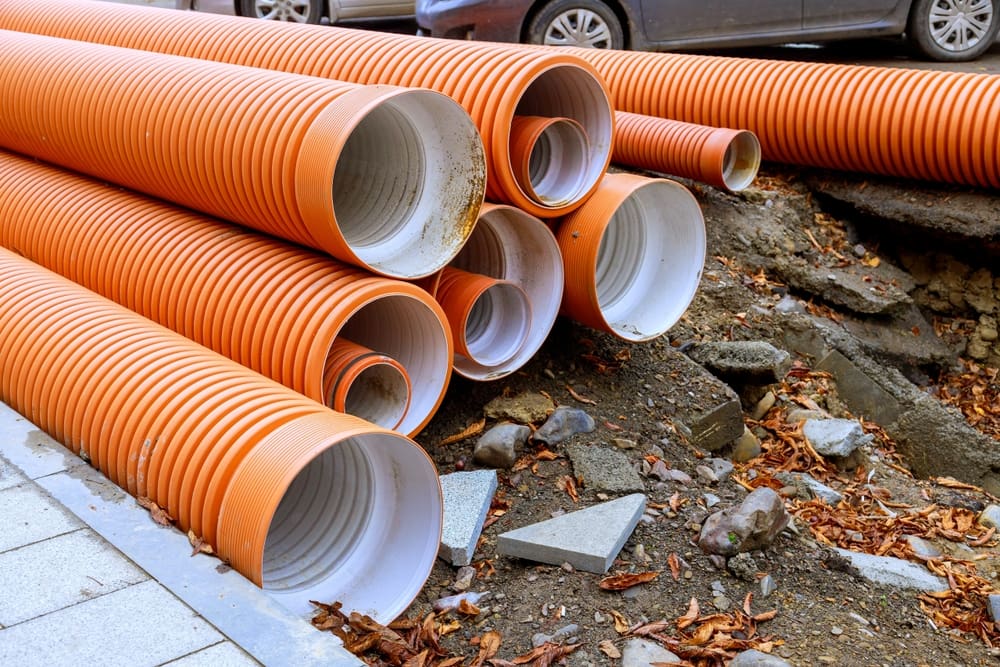
For decades, sewer systems in cities across the country relied heavily on traditional materials such as clay, cast iron, and concrete. While those materials served their purpose, they often required constant repairs, frequent replacements, and costly upkeep. Today, advancements in polymer technology have given engineers and municipalities an option that significantly reduces these issues: JM Eagle’s high-density polyethylene products.
The combination of strength, flexibility, and resistance to corrosion makes HDPE water sewer pipes highly demanded on the market. From smoother installation methods to improved flow efficiency, the benefits they bring are transforming how cities maintain and expand their sewer systems. Let’s take a closer look.
What are the benefits of HDPE pipes?
When municipalities and contractors evaluate sewer infrastructure, cost is only one part of the decision. Long-term reliability, simplified installation, and regulatory compliance often weigh just as heavily. HDPE delivers on all these fronts, offering modern advantages that traditional pipe materials can’t match. Let’s explore some of the benefits of high-density polyethylene pipes:
 Streamlined installation
 Streamlined installation
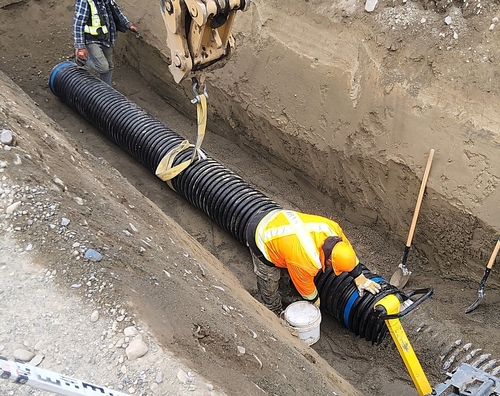
Contractors benefit immediately from polyethylene’s flexibility and light weight. Long coils and the ability to bend along trench lines mean fewer joints and fittings, reducing labor hours and equipment needs. Trenchless options like horizontal directional drilling further minimize disruption, allowing pipes to be installed under roads or sidewalks with less restoration work. Faster, cleaner jobs keep projects on schedule and reduce traffic or neighborhood impact—key considerations for municipalities.
Compliance and safety advantages
Modern HDPE products, such as those from JM Eagle, are tested to meet ANSI, AWWA, and NSF standards, ensuring suitability for potable water and sewer applications. Municipalities appreciate that these pipes not only meet but often exceed regulatory expectations, reducing the risk of compliance issues. Their resistance to chemical and biological attack also helps protect water quality and the surrounding environment.
Leak-free performance
The hallmark of HDPE is its heat-fused joints, which create a continuous pipeline. This fusion process eliminates common failure points associated with gaskets and mechanical couplings. For cities, that means fewer infiltration problems, reduced wastewater overflows, and more consistent system performance. For contractors, it means fewer callbacks and warranty claims.
Durability under stress
Sewer lines often operate in tough conditions—acidic soils, shifting ground, or exposure to aggressive effluents. Unlike metal or concrete, HDPE maintains structural integrity in these environments. Its high impact strength also helps it withstand soil movement and traffic loads without cracking. Additionally, HDPE pipes perform exceptionally well in winter, as the material can endure the expansion of frozen water without cracking. This resilience translates into fewer emergency repairs and longer intervals between replacements.
Long-term savings
While upfront costs may be competitive with other pipe options, municipalities consistently realize lower overall ownership costs with HDPE. Reduced leakage, simplified installation, and minimal maintenance requirements of HDPE pipes add up to significant savings over the service life. For budget-conscious public works departments, these efficiencies free up resources for other pressing infrastructure needs.
How long does HDPE sewer pipe last?
Polyethylene piping is built for longevity. Industry testing and field data show these systems can function reliably for 50 to 100 years, depending on installation practices and local conditions. The absence of joints that corrode or gaskets that wear out contributes to this exceptional service life. For cities, this means investing in a solution that not only solves problems today but continues to perform for generations, minimizing the cycle of costly replacements that plague many older networks.
Who can provide a high-quality HDPE sewer pipe near me?
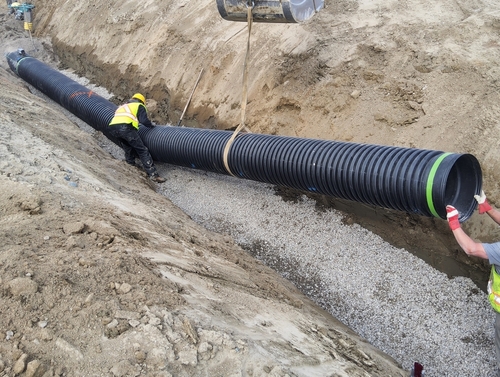
Whether it’s used for expanded sewage systems or for upgrading existing water main pipes, high-density polyethylene is a lasting solution. At Blair Supply, we’ll guide you through product selection, sizing, and delivery so you can move forward with confidence. With over 60 years in the industry and counting, we are the top choice for stress-free and seamless sourcing. Contact us today, and you’ll have access to certified materials that keep critical systems running smoothly for decades to come.