Blog
Why Tool Size Matters When Shutting Off Copper Pipe
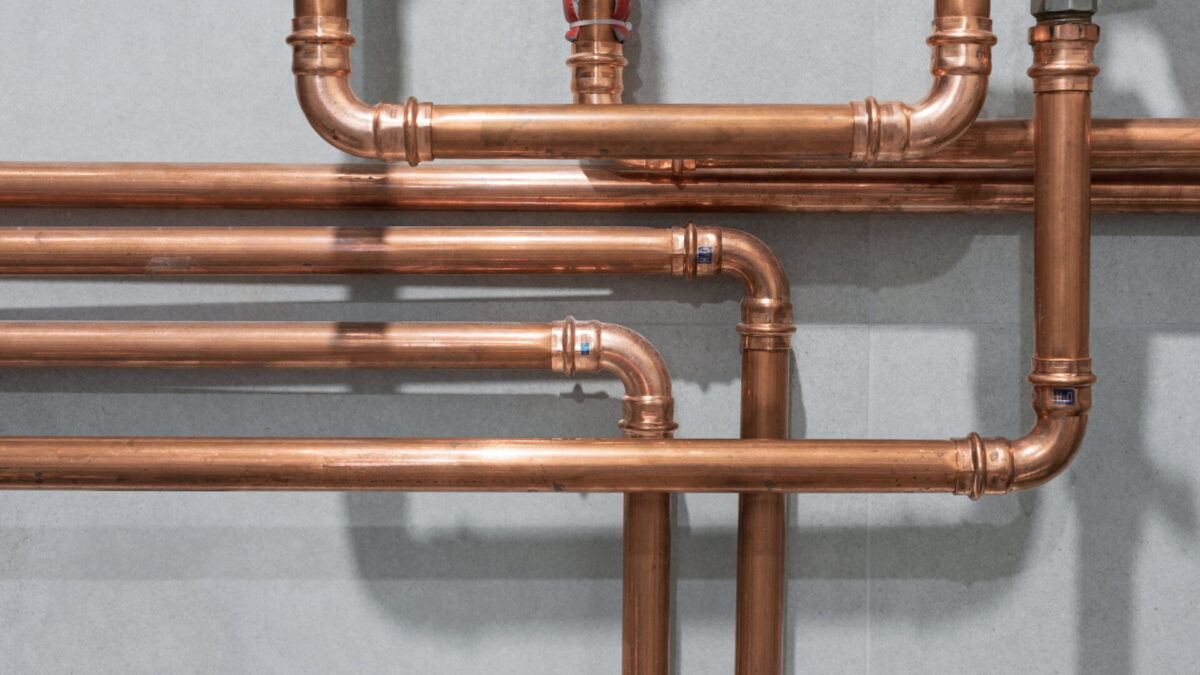
Before shutting off a soft copper service line, crews need to confirm that the tool is rated for the line size and application. The tool needs to fit the pipe properly, apply pressure evenly, and support the job without forcing the copper beyond its limits. A shut-off tool for copper lines that doesn’t match the application can lead to poor shut-off results or pipe damage.
Understanding capacity helps crews see how size rating, tubing condition, and controlled compression work together before the job begins. A closer look at these details can make it easier to choose equipment that fits the line instead of forcing the line to fit the equipment.
What does tool capacity mean?
Capacity refers to the size range and application the equipment is rated to handle safely. In this line of work, this usually means specific outside diameters, pipe conditions, and compression requirements.
Capacity is not just about whether the equipment fits around the pipe. It is about whether the device can apply the right amount of pressure in the right position to temporarily stop flow without placing avoidable stress on the material.
 A few factors can affect proper capacity, including:
- The outside diameter of the copper line
- The condition of the pipe wall
- The equipment’s jaw shape and alignment
- The amount of compression needed to stop the flow
- Whether the equipment is being used within its intended range
A properly matched device should close the line in a controlled way without forcing the tool beyond its limits. This is where understanding how a shut-off tool works becomes useful, because the jaw shape and compression action affect how pressure is applied to the copper.
Capacity also connects to durability. Equipment used outside its intended range may wear faster, lose alignment, or require more frequent inspection. For crews using the same equipment across multiple jobs, proper sizing supports cleaner operation and longer service life.
Can using the wrong size damage the pipe?
Using the wrong size can damage the pipe, especially if the pressure is applied unevenly or compresses the material beyond what the line can handle. Copper is strong enough for many plumbing and utility applications, but it can still deform, crease, flatten incorrectly, or weaken when the wrong equipment is used.
A tool that’s too small may concentrate force in the wrong area, while a tool that’s too large may not close the line properly and could encourage overtightening. A poorly matched shut-off can leave stress marks, distortion, or a weakened section that should be inspected before the line is returned to service.
That’s why it’s helpful to follow a careful process before, during, and after use. Operators should know what to check before applying pressure, how to confirm flow has stopped, and how to restore the line without rushing. The goal is not simply to stop flow, but to protect the pipe and support a reliable repair.
How do you match the tool to the copper line?
Matching the right tool to the line takes more than a quick size check. The pipe, tool condition, and application all need to work together so the shut-off feels controlled from start to finish.
Start with the pipe size
Matching the tool to the service line starts with identifying the pipe size and confirming that it falls within the tool’s rated capacity. Operators should never guess based on appearance alone, especially in tight spaces, older systems, or areas where pipe condition may vary.
Check the condition of the copper
A pipe that’s older, worn, corroded, dented, or already stressed may need closer inspection before shut-off. Even when the size is correct, the pipe should be sound enough to handle controlled compression.
Inspect the setup before compression begins
Before compression begins, the operator should check for clean contact points, steady alignment, and smooth movement. Worn components, trapped debris, or uneven positioning can affect performance, even when the size rating matches the application.
This is also where shut-off tool durability and maintenance become part of safe sizing. When wear, debris, or alignment issues are present, correct sizing alone may not be enough to support reliable operation.
Look for a controlled fit
A good match should feel controlled, not forced. When the tool, pipe, and application are properly aligned, the shut-off process is more predictable and less likely to create unnecessary damage. For technicians and utility crews, confirming capacity can help prevent bigger problems once the line is restored.

Where can I get a reliable shut-off tool for copper lines built for professional use?
Blair Supply supports contractors, utilities, and field teams with waterworks products selected for demanding jobsite use. Whether work is happening near High Falls or on job sites well beyond, our team can help crews compare rated options for temporary flow control, repair preparation, and reliable field performance. Contact Blair Supply today for practical product guidance and straightforward ordering support.