Blog
Using a Copper Shut-Off Tool: Before, During & After
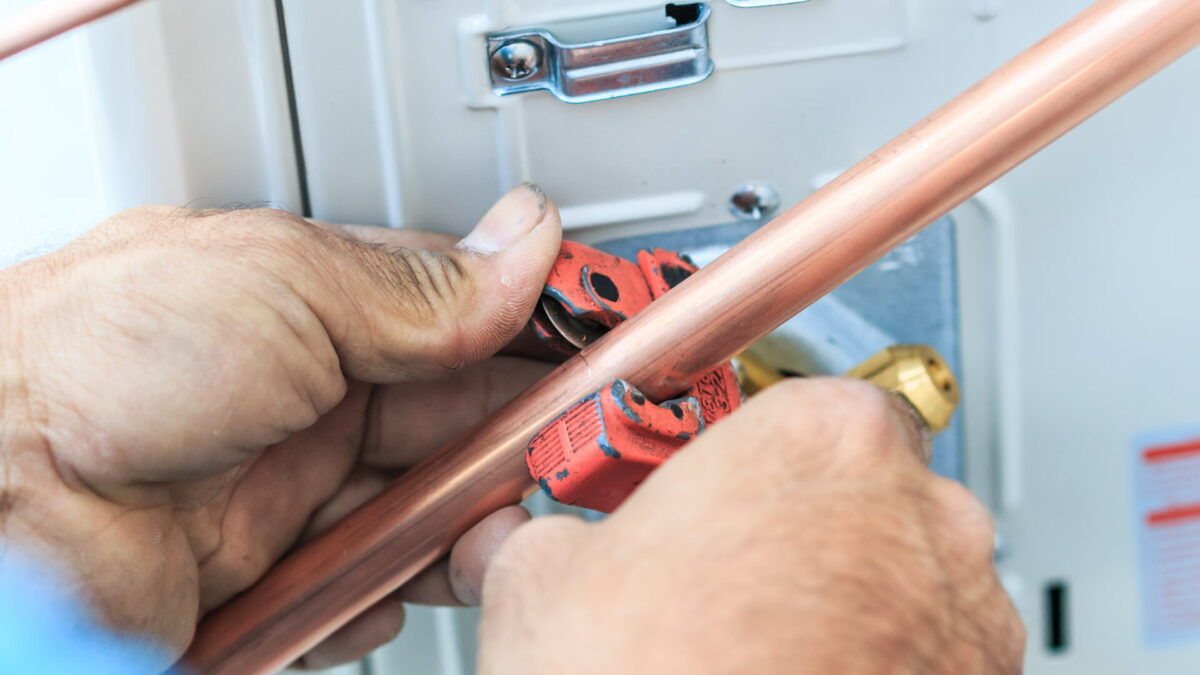
Using the right process matters just as much as using the right equipment. A copper tool should be inspected, positioned, and operated with care so the line can be shut off without adding unnecessary stress to the pipe. With a dependable shut-off tool, crews can work with more control, confidence, and consistency in the field. Before starting the job, it helps to understand what to check, how to confirm shut-off, and what steps matter once the line is ready to be restored.
What should you check before using the tool?
A quick inspection beforehand helps crews confirm that the pipe, the equipment, and the setup are ready for a controlled shut-off. Checking the line condition, the jaws, and the fit before any pressure goes on keeps small issues from turning into bigger problems mid-job.
Check the pipe & work area
Before using a shut-off tool, crews should confirm that the pipe, tool, and work area are ready for the job. Start by checking the copper line for visible damage, corrosion, dents, or weak spots that could affect the shut-off process.
The work area should also allow enough room for proper positioning. If the pipe is difficult to reach or the surrounding space limits movement, crews should take extra care before applying pressure.
 Look for tool issues before use
 Look for tool issues before use
The jaws should be clean, properly aligned, and free of worn parts or debris that could interfere with smooth operation. If they don’t close evenly or show signs of wear, set the equipment aside for a closer look before relying on it.
A quick check like this can prevent problems once the line is under compression. Worn components, poor alignment, or buildup along the feed screw all change how evenly pressure reaches the copper.
Confirm the tool size & placement
Sizing comes first. The jaws need to match the line they’re closing, because an improper fit can lead to poor shut-off results or unnecessary pipe stress. This is where choosing the correct size for your copper line becomes especially important.
Crews who know what to expect from a swing-open shut-off clamp are also better prepared to position it correctly and apply pressure in a controlled way. That brief check up front prevents bigger issues once the line is under compression.
How do you know the flow has stopped?
You know the flow has stopped when the line no longer shows movement, pressure, or discharge at the work point being isolated. The exact method depends on the system and job conditions, but the goal is always to confirm shut-off before moving forward with repair or service work. Crews should avoid assuming the line is stopped simply because the tool has been tightened. Verification is part of safe, controlled operation.
A few signs and checks may include:
- No visible flow at the open or repair point
- Reduced or eliminated pressure where the line is being serviced
- No continued seepage after the tool has been properly applied
- Stable tool position without slipping, shifting, or uneven compression
- System response that matches the intended shut-off area
If flow continues, the tool may need to be repositioned, the pipe size may need to be checked again, or the line condition may need closer review. Crews should also avoid overtightening to “force” a result, since incorrect pressure can damage the pipe.
How do you restore the line after shut-off?
Restoring the line should be done gradually. Once the repair or service work is complete, release the feed screw in a controlled manner so the copper can reround and return flow without sudden movement or added strain. Well-made equipment is designed to reshape the tube on release, restoring most of the original flow.
As pressure returns, crews should watch the shut-off area closely and check for:
- Leaks around the shut-off point
- Distortion, flattening, or creasing
- Unusual marks on the copper
- Signs that the pipe did not respond properly
- Stable flow once the line is restored
Afterward, wipe everything down and inspect it before it goes back into the case or on to the next job. Keeping up with cleaning and storage between jobs helps crews catch wear early, protect performance, and extend service life. A careful after-use routine makes sure the line is restored properly and the equipment is ready for the next field application.

Where can I get a professional-grade copper tool for field crews?
Here at Blair Supply, we provide professional-grade options for crews that need reliable performance during copper line shut-off work. Whether your job is near Highland Park or anywhere across the country, we can help you choose equipment that fits the pipe size, field conditions, and type of shut-off work you’re handling.
Our goal is to make it easier for contractors, utilities, and service teams to get dependable tools that support controlled operation, consistent results, and fewer slowdowns on the job. Reach out today, and we’ll help you get the right tool in hand for the work ahead.