Blog
How a Shut-Off Tool Works
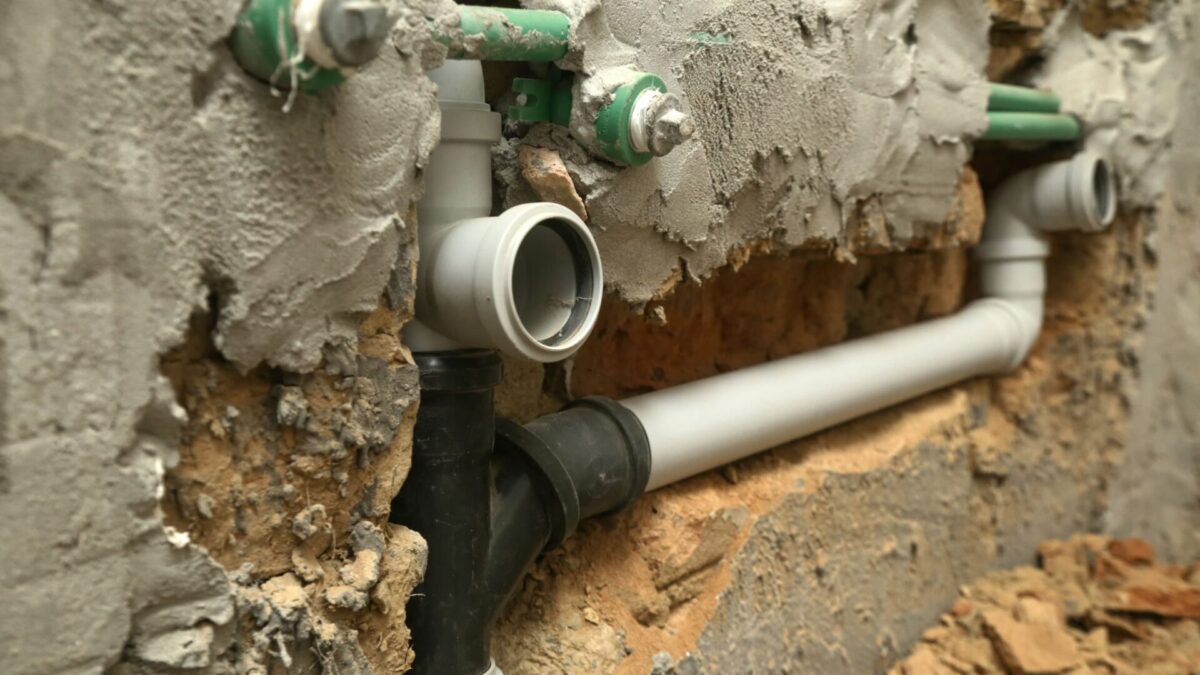
A successful service call often depends on controlling water movement before repair or installation work begins. That’s why a shut-off tool for copper pipes can be such an important part of a professional setup, especially when time, access, and reliability all matter.
With the right product on hand, teams can limit interruptions, protect surrounding materials, and approach each task with better control. Keep reading for a simple look at the process and see how this instrument helps crews prepare for demanding service conditions.
How does a shut-off tool for copper pipes work?
A professional-grade flow-control device works by using controlled mechanical pressure to temporarily close a small section of soft service tubing. Instead of draining an entire system, the operator isolates the area that needs attention, completes the task, then restores service in a measured way.
 Controlled Pressure Creates Temporary Isolation
 Controlled Pressure Creates Temporary Isolation
The device uses shaped contact points that press the tubing evenly from both sides. This pressure gradually flattens the selected area until water movement is stopped or reduced enough for service. Because the force is controlled, the operator can avoid sudden stress on the line. The goal is temporary isolation, not permanent damage, routine care preserves dependable function, so the equipment must be positioned and tightened with care.
Placement Determines the Quality of the Result
Before use, the operator chooses a straight, accessible section with enough room for safe handling. The area should be free from fittings, bends, dents, and weak spots that could react poorly under compression. The device is then centered so force lands evenly across the service tubing. Good placement helps create a cleaner seal and lowers the chance of distortion beyond the intended contact area.
Gradual Compression Stops the Flow
Once positioned, the handle or drive mechanism applies force in a slow, steady motion. As the jaws close, the round service line is squeezed into a flattened shape. The operator monitors resistance and avoids rushing the process, since controlled movement helps protect the material. When properly closed, water movement is isolated so repair, maintenance, or installation can continue nearby. Capacity choice affects field results.
Holding the Closure Keeps Work Stable
After the flow is controlled, the device remains in place while the crew completes the needed service. It functions as a temporary barrier, keeping the selected section manageable during the job. The operator should avoid unnecessary movement around the compressed area, because shifting force can affect the seal. Stability matters most when the surrounding system remains active and nearby work must stay precise.
Restoring Service Requires a Careful Release
When the job is complete, the operator slowly eases pressure from the compressed area. Use follows a full-cycle process. A gradual release allows the material to return toward its original shape without a harsh rebound. The crew then checks the area for proper flow, visible deformation, and any sign that further attention is needed. This final step helps confirm that the service line is ready for normal operation again.
Who can supply a quality shut-off tool for copper pipes?
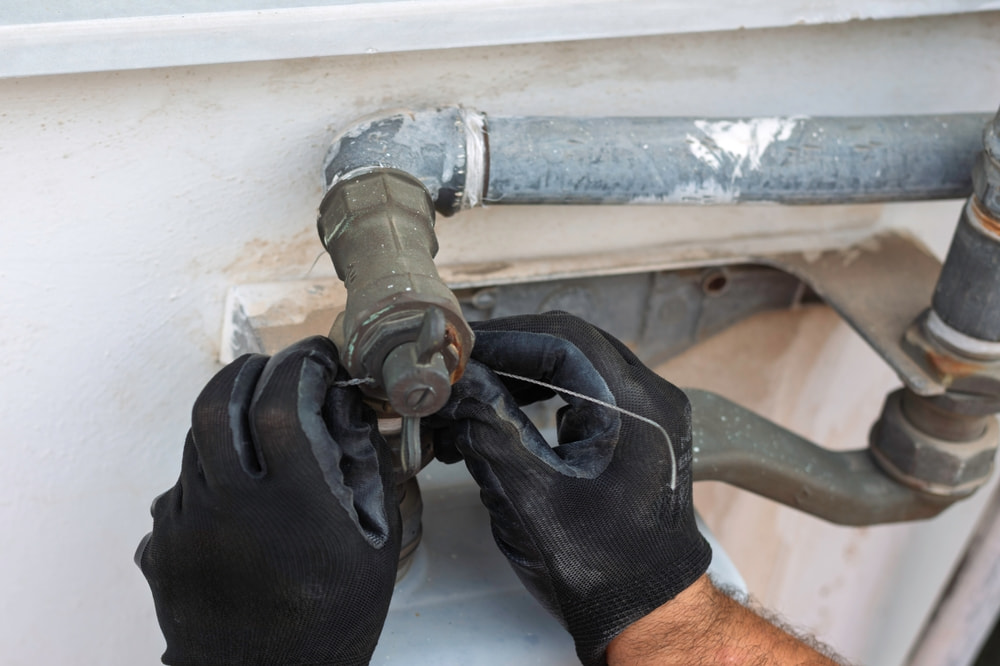 Crews need access to dependable service products that help them stay ready for demanding jobs. Located in Rochester, Blair Supply provides quality equipment options for contractors, utilities, and maintenance teams working throughout the USA. We understand that reliable performance, quick ordering, and knowledgeable support can make a real difference in the field.
With practical product guidance and dependable availability, we help reduce downtime, simplify planning, and keep repair, installation, and maintenance tasks moving when schedules are tight and field conditions change quickly. Our team is here to help you find the right equipment for your application without adding confusion to the process. Contact us today to get the support and service your crew needs.