
Blog
Shut-Off Tool Durability & Maintenance
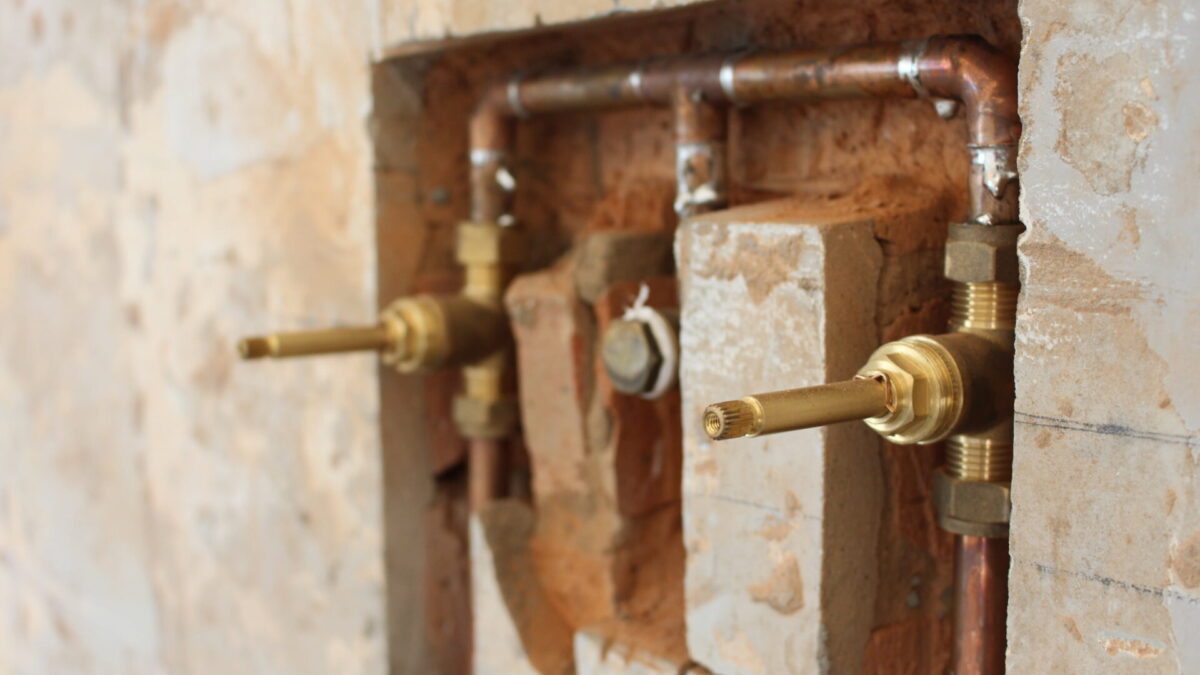
Dependable equipment matters most when a crew needs to isolate a line quickly and keep the job moving. That’s why tools for copper should be selected, handled, and maintained with care from the start. Regular upkeep helps protect the unit’s working parts, supports safer use, and reduces the chance of delays during service calls. Keep reading to learn what affects durability, how cleaning should be handled, and when replacement may be the smarter choice.
How long can a copper shut-off tool last?
The lifespan of a shut-off unit depends on how often it’s used and whether crews treat it like precision field equipment. A unit used daily in wet, muddy, or high-demand settings will need closer attention than one used occasionally.
Still, with careful handling and basic upkeep, a well-built device can remain dependable through many service calls. The key is avoiding unnecessary strain. Knowledge reduces mistakes, so the operators should confirm the line size, inspect the condition of the work area, and avoid forcing parts that don’t move freely.
How should it be cleaned after use?
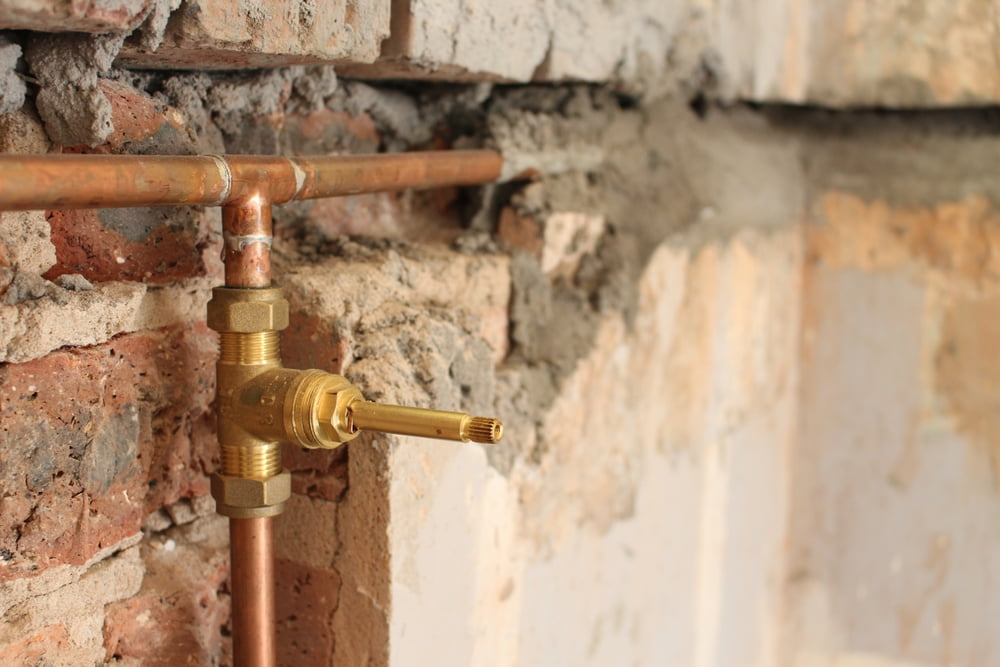
After each use, the unit should be wiped clean before being returned to storage. Mud, water, and small debris can collect around contact points and moving sections, so cleaning should focus on the areas most involved in operation. A dry cloth is often enough for routine care, while a soft brush can help remove stubborn particles from tight spaces.
Focus on Moving Areas
Moving sections should be checked for grit and buildup. If debris remains in these areas, the unit may become harder to operate over time. The motion should feel steady and controlled after cleaning. Any sticking, grinding, or uneven movement should be noted before the next assignment.
Store It Protected
Once dry, the device should be placed where it won’t be struck by heavier parts. Poor storage can cause dents, misalignment, or surface damage. A case, drawer, or dedicated shelf can make a difference. Protected storage also makes the unit easier to find during urgent work.
What signs show the tool should be inspected or replaced?
Inspection is needed when the unit feels different during setup, operation, or removal. A change in resistance, visible corrosion, uneven contact marks, bent components, or looseness around moving areas can all point to developing wear, using the right capacity can prevent forced operation. If the device no longer opens, closes, aligns, or holds as expected, it should be pulled from regular use until it’s reviewed.
Replacement may be necessary when wear affects safety or accuracy. A unit with damaged contact surfaces, compromised alignment, cracked parts, stripped threads, or unreliable holding strength shouldn’t be forced back into service. Crews should also watch for repeated performance issues, even after cleaning and adjustment.
If the same problem returns, the equipment may no longer be dependable enough for field use. A quick check before each job is better than discovering trouble during active service work because sequence keeps the operation predictable.
Where can I order reliable tools for copper?
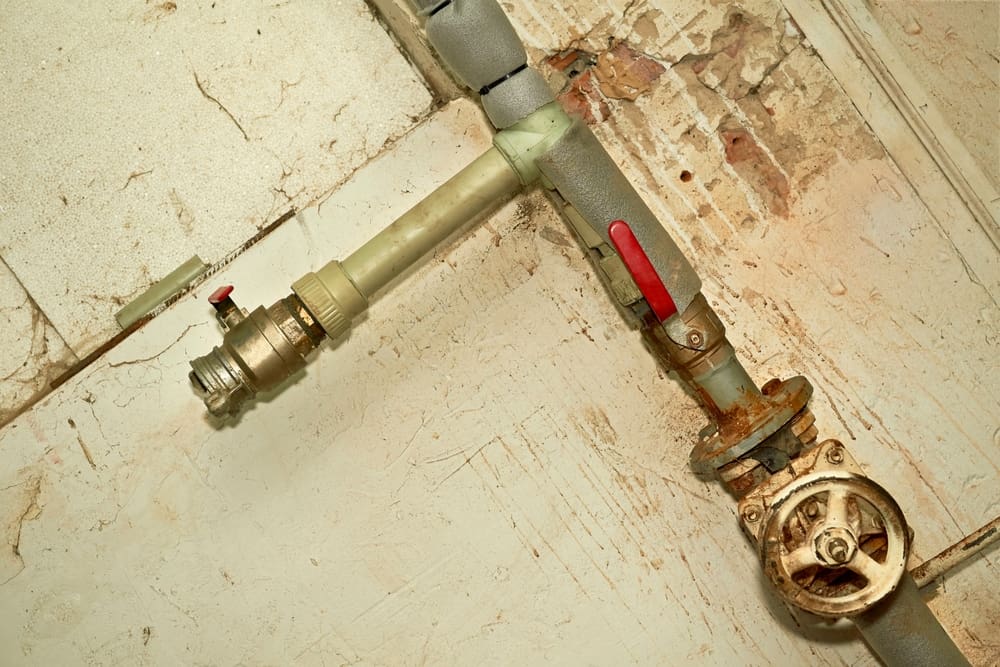 When crews need dependable shut-off equipment, sourcing from a supplier that understands field demands makes a real difference. Based in Rochester, NY, Blair Supply helps professionals across the United States find reliable products for maintenance, repair, and installation work. We focus on practical solutions that support cleaner workflows, quicker isolation, and fewer delays during demanding service calls.
We also help teams source the right device with confidence, reduced guesswork, and keep essential projects moving with equipment built for tough jobsite conditions. We make the ordering process straightforward so your crew can stay focused on the work ahead. Reach out to us today.