
Blog
Cold-Weather Performance: HDPE Water Service Pipes in Freezing Climates
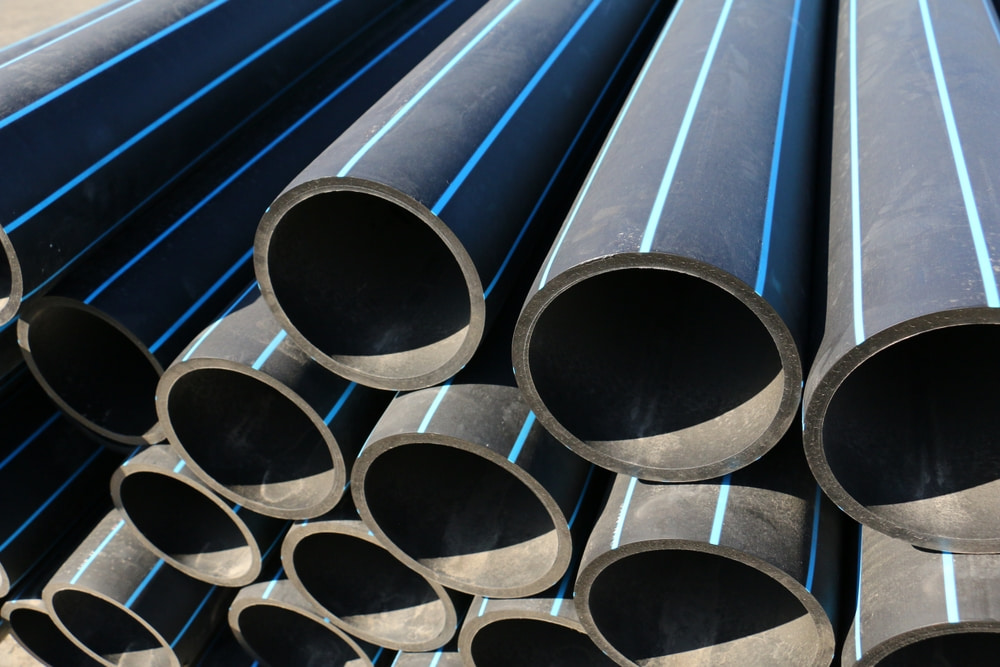
Winter is tough on any water system, but when temperatures drop below freezing, it becomes especially important to understand how your water lines behave. High-density polyethylene (HDPE) has quickly become a go-to material for modern water installations, especially in regions with extreme cold. HDPE water service pipe is flexible and durable, making it far more reliable than traditional materials like PVC or metal, which can crack or corrode. Still, even the strongest systems benefit from a little care when the nights get colder. Let’s explore what happens when temperatures plummet—and how to keep your system performing flawlessly all winter.
Can HDPE pipes freeze?
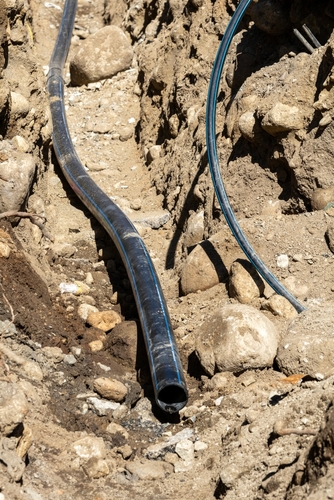
Yes, they can—but not in the same way as rigid pipes. HDPE expands slightly as water inside begins to freeze, reducing the likelihood of cracking or bursting. Its flexibility allows it to absorb pressure that would normally split metal or PVC lines. However, freezing can still block water flow or damage fittings if temperatures stay below 32°F (0°C) for long periods. That’s why proper installation depth and winter protection are key to long-term reliability.
How do you protect pipes in the winter?
Even though HDPE systems handle cold better than most materials, prevention is always smarter than repair. A few simple steps before the freeze can make a big difference. Whether you’re maintaining a residential service line or a commercial water supply, protecting your system from frost helps ensure continuous flow and fewer mid-winter headaches. Here’s how to safeguard your setup during the coldest months.
1. Bury pipes below the frost line
The most effective way to prevent freezing is to install water lines deep enough to stay below the frost line. This depth varies by location—from about 12 inches in milder climates to 48 inches or more in colder regions. Burying pipes properly keeps them insulated by the surrounding soil and shields them from surface temperature swings.
2. Insulate exposed sections
Any part of your line that runs above ground—such as where it connects to a building or valve box—should be insulated. Foam sleeves, fiberglass wraps, or heat tape can all help retain warmth. Insulation also protects fittings and joints, which are typically more vulnerable than the pipe itself.
Recommended options:
- Foam insulation tubes: Easy to install, available at most hardware stores.
- Electric heat cables: Ideal for lines that can’t be buried.
- Fiberglass wrap: Great for irregularly shaped fittings or valves.
3. Keep water flowing during deep freezes
If you expect extreme cold, allowing a slow trickle of water to move through the system can prevent freezing. Moving water doesn’t freeze as easily as standing water, especially in smaller-diameter lines. This method works best overnight or during short-term cold snaps.
4. Inspect & maintain annually
Before winter, check for leaks, exposed sections, or damaged insulation. A quick inspection helps identify potential weak points early. For properties in high-risk zones, consider professional thermal imaging or pressure testing to confirm your system’s integrity before the first frost. Regularly inspecting and maintaining water service lines can go a long way toward preventing costly leaks, reducing water waste, and ensuring consistent water pressure and quality.
Where to find high-quality HDPE water service pipe?
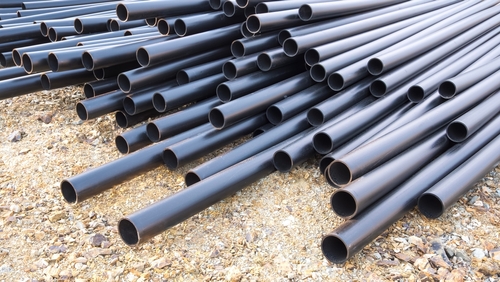
With nearly 7 decades of expertise and a developed network of distributors, Blair Supply Corp is the top choice for a variety of HDPE materials across the US. From durable high-density polyethylene water mains to HDPE pipes used in sewer installations, we have a wide selection of products that deliver long-lasting performance, corrosion resistance, and reliability under demanding conditions, sourced from some of the leading names in manufacturing.
Whether you’re upgrading your property’s supply line or managing a large-scale installation, our experts can help you choose the right materials and insulation solutions. Reach out today and discover why we’ve been a trusted supplier for professionals across the nation.