
Blog
5 Common Applications of Pipe Repair Clamps in Industrial Settings
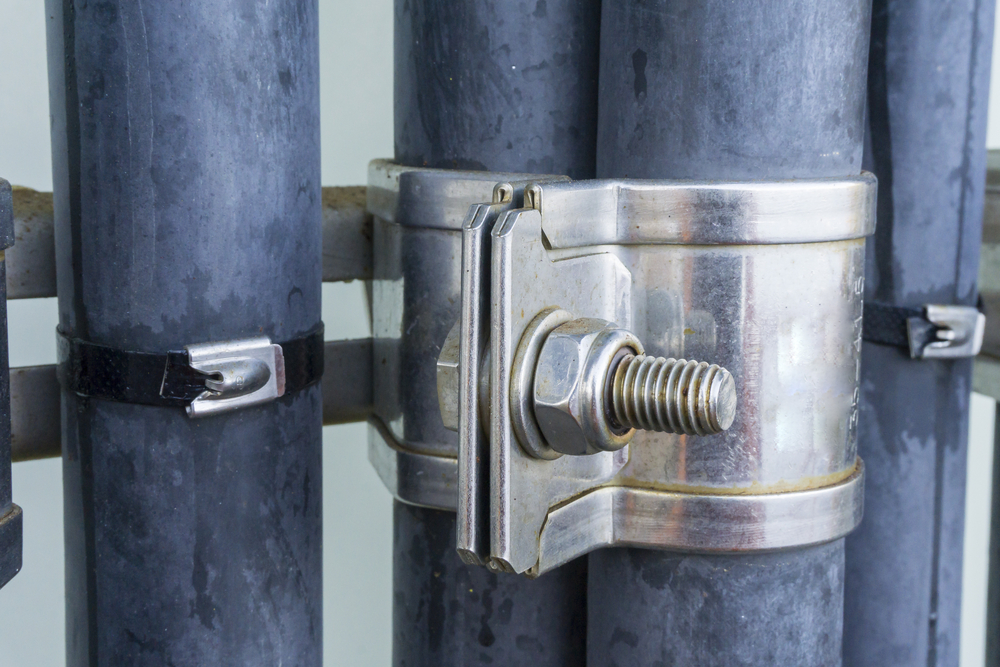
In industrial environments, pipe problems rarely happen at a convenient time. A localized leak or damaged section can interrupt production, create safety concerns, and put pressure on maintenance teams to respond quickly. Instead of cutting out and replacing an entire section right away, crews can often use a clamp to stabilize the issue and restore service faster. For many buyers researching a full circle Smith-Blair 226 pipe clamp, the real question is where this type of product fits best in day-to-day industrial work.
Repair clamps are used in plants, processing facilities, utility systems, and other demanding environments where speed, reliability, and controlled repairs matter. Read on to learn their purpose and five common ways they are used in industrial settings.
 What is the purpose of pipe clamps?
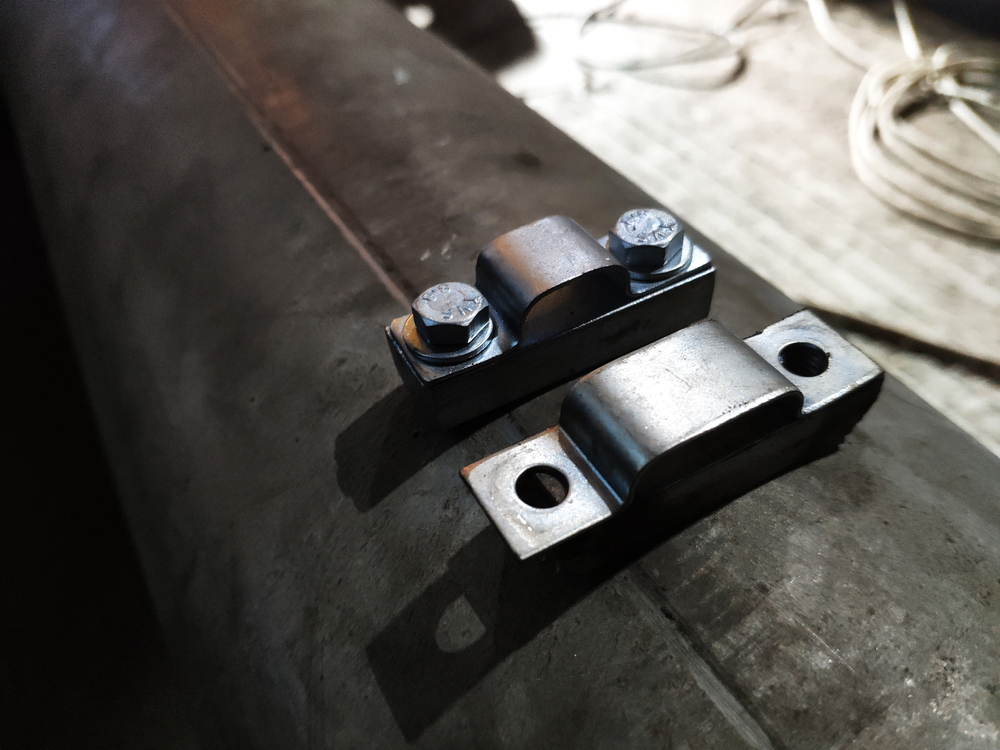 What is the purpose of pipe clamps?
It is to seal a damaged or leaking section by applying even mechanical pressure around the affected area. Instead of replacing the full pipe length immediately, it creates a more focused repair over the problem spot.
This makes them especially useful when the damage is localized, and the surrounding pipe is still structurally sound. A gasket inside the clamp helps seal the leak, while the body of the clamp holds that seal in place under operating conditions. When sized correctly and installed properly, the result can be a dependable repair that reduces downtime and helps keep the system operating.
In industrial settings, this becomes even more important. Teams often need solutions that are practical, efficient, and suitable for real-world operating conditions. It helps by:
- Containing localized leaks: When the damage is limited to one section, it can help stop or control the leak without more extensive work.
- Reducing downtime: Shutting down an entire system for replacement is not always realistic. Clamps can help crews respond faster and restore operations sooner.
- Supporting maintenance planning: In some cases, it provides a durable repair. In others, it helps stabilize the situation while a larger replacement strategy is planned.
- Limiting disruption: A targeted repair can be much less disruptive than removing a larger section, especially in busy or hard-to-access areas.
That practical value is exactly why they continue to play such an important role in industrial maintenance. Here are five common applications in these settings:
1. Water process piping repairs
Many industrial facilities rely on water lines for production, cooling, cleaning, or general plant operation. When one of those lines develops a leak, a repair clamp can be a practical way to address the issue quickly. In these systems, it is often used to seal a pinhole, crack, or damaged section without removing a larger run of pipe.
2. Cooling system maintenance
Industrial cooling systems often run continuously, which means even a localized leak can affect efficiency and create pressure to act fast. A repair clamp can help maintenance teams address the damaged area while minimizing unnecessary interruption to plant operations.
3. Compressed air & utility line repairs
A large number of plants and industrial facilities depend on utility piping networks that support core operations. When a compressed air or service line develops a localized problem, a clamp may offer a more manageable repair option than immediate replacement. This is especially useful when access is limited or when the goal is to restore service as quickly as possible.
4. Plant maintenance in aging infrastructure
Older facilities often deal with recurring pipe issues caused by age, wear, or long-term exposure to demanding conditions. In those environments, they are often part of the maintenance toolkit because they provide a fast, focused response to isolated failures. When the surrounding pipe is still in a serviceable condition, it can help extend usability while a broader capital improvement plan is considered.
5. Emergency leak response
It can help crews contain the problem before it leads to more serious disruption, water loss, or safety concerns. That quick-response role is one of the reasons products like a full circle clamp remain so widely used across industrial settings.
What makes these applications so common is the balance of speed and reliability. In the right conditions, it allows experts to respond effectively without overcomplicating the repair.
 Where can I order a full-circle Smith-Blair 226 pipe clamp?
 Where can I order a
 Blair Supply can help provide you with a dependable repair solution for industrial pipe damage. We assist with sizing, application questions, and related repair options so you can choose with more confidence and less guesswork. Whether you are planning ahead for maintenance needs or responding to an active leak, we are here to help you find a practical solution that fits your system.
We serve customers throughout the United States with reliable solutions and practical product support. Get in touch with us today to get matched with the right option for your system.