
Blog
Pipe Repair Clamps: Understanding the Basics
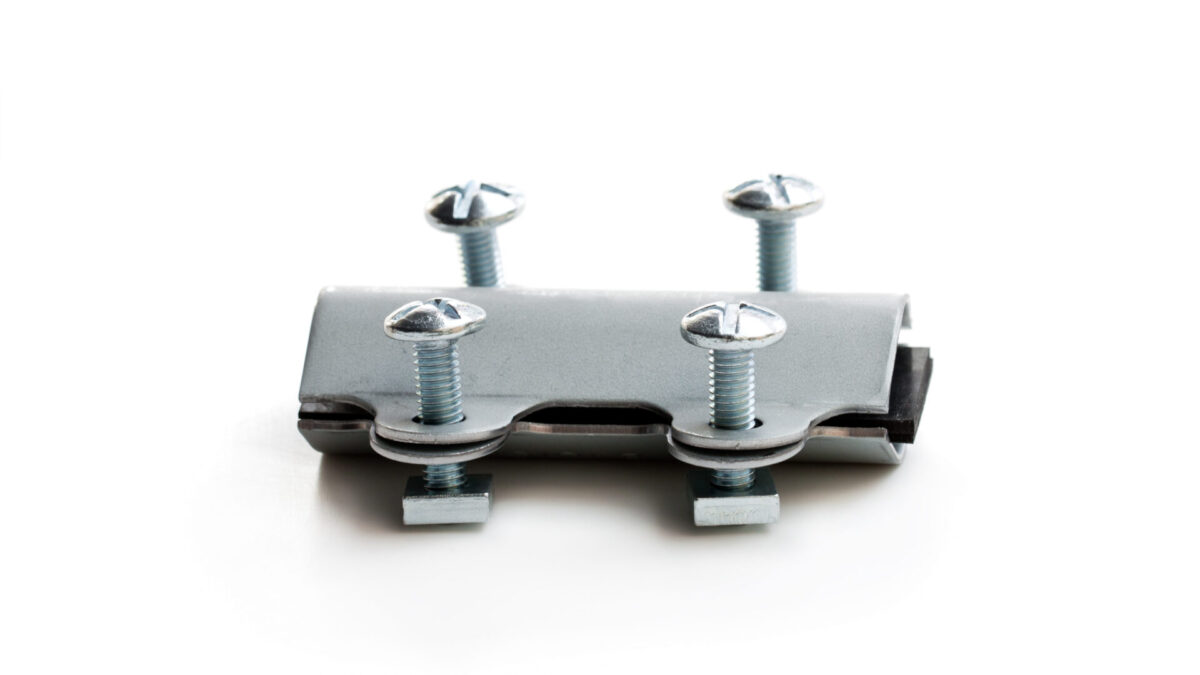
Pipe damage has a way of creating stress fast, especially when a small leak has the potential to turn into a much bigger problem. That is why repair clamps remain such a practical solution for many water and utility systems. They are designed to cover a damaged section, apply pressure where it is needed, and help restore service without replacing a full length of pipe right away.
A full circle single band pipe clamp is one of these reliable options built for that kind of targeted repair. Which is why in today’s blog, we will explain how these sleeves are used and whether they truly hold up, so keep reading to learn more!
How to use a pipe repair clamp?
Using this type of fix starts with understanding the damage. These products are best for localized issues, not a pipe that is failing across a long section. If the leak is small and the surrounding pipe is still structurally sound, a clamp can be a practical fix.
 Prepare the pipe surface
 Prepare the pipe surface
The damaged area should be cleaned before installation. Dirt, scale, loose rust, and moisture can get in the way of a proper seal. A cleaner surface helps the gasket sit more evenly and gives the clamp a better chance of performing the way it should.
Confirm the correct size
A clamp has to match the outside diameter of the pipe. If it is too small, it will not seat properly. If it is too large, it may not create enough pressure to control the leak. It also helps to consider the pipe material, operating pressure, and the environment around the line before choosing the repair.
Position it over the damaged spot
Once the pipe is prepped, the clamp should be centered directly over the leak or weakened section. The sealing portion needs full contact with the damaged area. If it is slightly off, the repair may not hold as well as expected.
Tighten it evenly
This is one of the most important steps. Bolts should be tightened gradually and in an even pattern so pressure is distributed consistently. Rushing this part or tightening one side too much can lead to poor sealing, uneven contact, or a repair that fails sooner than it should. Many leak problems after installation come down to common mistakes when installing pipe repair clamps that could have been avoided with a more careful approach.
Inspect the repair
After installation, bring the system back online slowly and check for seepage. A good repair should hold steady, but it is still smart to monitor the area. Even a solid installation benefits from follow-up, especially in older systems or more demanding service conditions.
Do pipe repair clamps work?
Yes, they are effective when used in the right situation and installed properly. They are not shortcuts or gimmicks; rather, they are a proven repair option for specific types of leaks and damaged areas.
Why they work
This type of sleeve works by combining a sealing gasket with mechanical force. Once secured, it compresses around the affected part of the pipe and helps contain the leak. That direct pressure is what makes the repair effective for many isolated issues.
Where they perform best
These sleeves are commonly used in municipal water systems, facility maintenance, plant operations, and other settings where fast repairs matter. Their value often comes from limiting downtime and avoiding the disruption of cutting out pipe when a more focused repair can do the job, especially in industrial uses for pipe repair clamps, where speed and reliability both matter.
What they cannot solve
They are effective, but they are not the answer to every pipe problem. If the line has severe corrosion, widespread wall loss, or repeated failures in the same area, a clamp may only be part of the conversation. In those cases, it helps to watch for signs that a pipe repair clamp needs replacement before a temporary repair turns into a larger problem.
Used correctly, though, this fix can be dependable, efficient, and cost-conscious. It gives crews and property owners a way to respond quickly while still making a sound maintenance decision.
Where can I get a full circle single band pipe clamp?
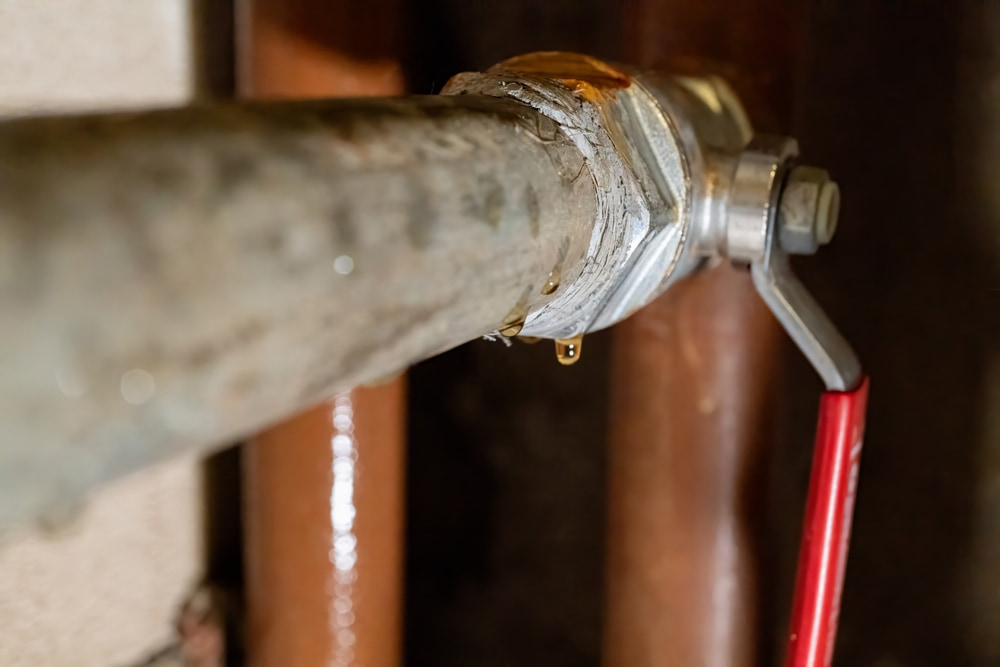 You can get the right repair solution from Blair Supply Page. Our team can help you choose a clamp that fits your pipe size, service conditions, and repair goals, whether you need a fast response for an active leak or guidance on a longer-term fix. We can also help you explore other pipe repair and sealing options, from repair sleeves and couplings to gaskets and related sealing products, depending on what your system calls for. For customers across the US, Blair Supply is a dependable place to start. Contact us today for help finding the right pipe repair and sealing solution for your project.