
Blog
When to Replace a Pipe Repair Clamp: Signs to Look For
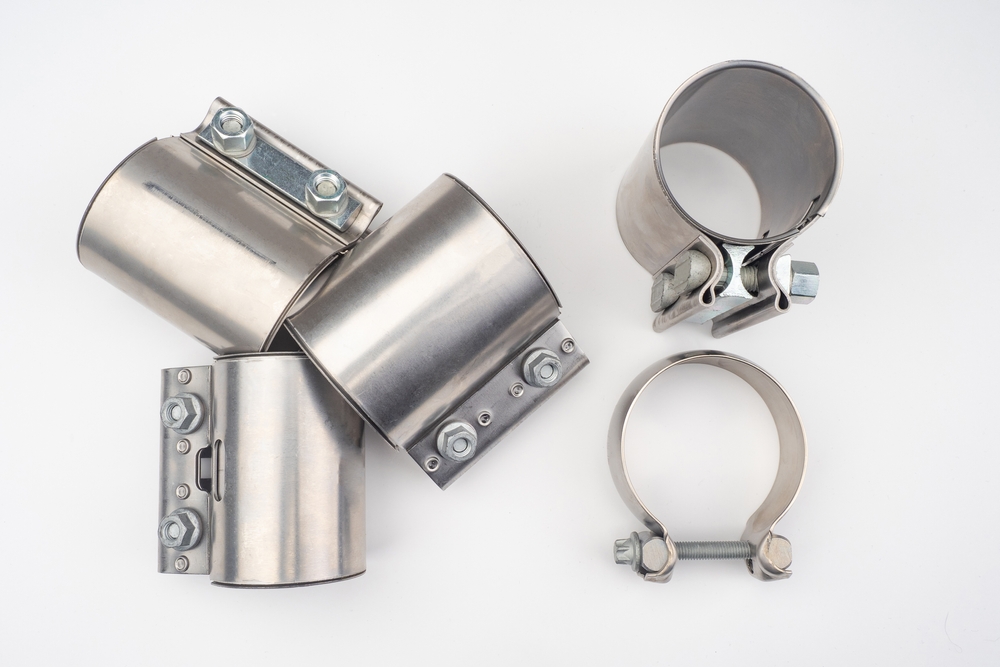
A repair clamp can be a dependable way to address a localized leak, but no mechanical repair should be treated as something to ignore forever. Age, pressure changes, corrosion, and service conditions all affect how well a fix continues to perform over time. That is why anyone using a single-band pipe repair clamp should know what signs suggest the restoration may no longer be as reliable as it once was.
In many systems, a clamp does exactly what it is supposed to do for a long time. In others, the surrounding condition or operating environment may shorten its useful life. Knowing what to watch for can help you avoid a repeat leak, unexpected downtime, or an issue that becomes more serious than it needs to be. Let’s take a look at how long they can last and how to tell when one may be failing.
 How long will a pipe repair clamp last?
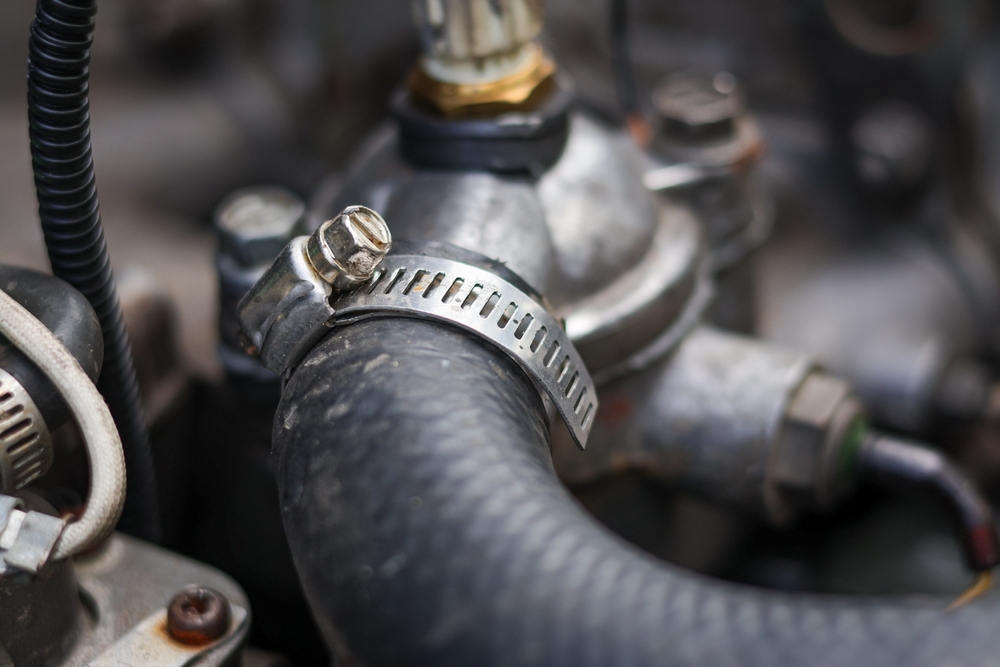 How long will a pipe repair clamp last?
It depends on several factors, including the condition of the pipe, the quality of the installation, the operating pressure, and the environment around the repair.
In the right application, it can last for years. If it is installed on a structurally sound pipe, sized correctly, tightened evenly, and used in service conditions it was meant to handle, it can provide a very durable fix. That is one reason these products remain so widely used in water systems, facilities, and utility work. They offer a practical way to address localized damage without immediately replacing the full section.
If the pipe has widespread corrosion, ongoing vibration, shifting soil, or repeated pressure stress, the solution may not last as long as expected. In those situations, even a good one may be compensating for a line that has larger problems developing around it.
A few key factors that influence service life include:
Pipe condition
It performs best when the damaged area is isolated, and the surrounding wall is still in workable shape. If the pipe is already weakened in multiple places, long-term performance becomes less predictable.
Installation quality
A properly prepared surface and even bolt tightening make a major difference. Poor installation can shorten the life of the fix from the start.
Pressure & service demands
Higher pressure, temperature shifts, or demanding operating conditions can place more stress on both the gasket and the clamp body over time.
Exposure to moisture or corrosion
Corrosive environments or constant moisture exposure may affect how long the solution continues to perform reliably.
In short, it can last a long time, but that does not mean it should go uninspected. Periodic review is still important, especially in older systems or more demanding applications.
How do you know if your pipe repair clamp is bad?
It usually shows warning signs before it fully fails. The key is recognizing those signs early enough to act before the leak becomes harder to control.
Seepage around the repair
One of the clearest signs is visible moisture, dripping, or seepage around the area. Even a small amount of leakage may suggest the seal is no longer holding the way it should.
Corrosion on or around the clamp
Surface rust or corrosion does not always mean immediate failure, but it should not be ignored. If the hardware or the surrounding pipe shows significant deterioration, the fix should be evaluated more closely.
Recurring leak problems
If the same section keeps needing attention, the issue may be larger than the original damaged spot. A repeat leak can indicate that the condition has worsened or that the clamp is no longer enough for the situation.
Visible movement or poor fit
It should remain properly seated over the damaged area. If it appears shifted, uneven, or no longer aligned correctly, sealing pressure may be compromised.
Gasket or sealing concerns
Any sign that the sealing area is breaking down should be taken seriously. If the gasket has lost compression or the clamp no longer seems to be maintaining even contact, replacement may be the safer choice.
Signs of broader failure
If the surrounding shows wall loss, cracking, deformation, or additional leaks nearby, the solution may be nearing the end of its usefulness because the pipe can no longer support it properly.
The most important thing to remember is that a clamp is part of the repair picture, not the entire condition story. If the line around it is declining, replacing the clamp alone may not solve the real problem. That is why inspection and product selection matter so much when planning the next step.
 Where can I buy a dependable single-band pipe repair clamp?
 Where can I buy a dependable
 If you need a reliable solution for a localized fix, Blair Supply Page can help you find the right product for the job. Our team can assist with sizing, application details, and related repair options so you can make a more confident decision based on your system conditions. Whether you are responding to an active leak or reviewing an existing solution, we are here to help you choose a dependable option that fits your needs.
From projects near the Gateway Arch to systems across the country, we support customers throughout the United States with quality repair products and knowledgeable service. Contact us today for help finding the right solution for your application.