
Blog
5 Common Mistakes to Avoid When Installing Pipe Repair Clamps
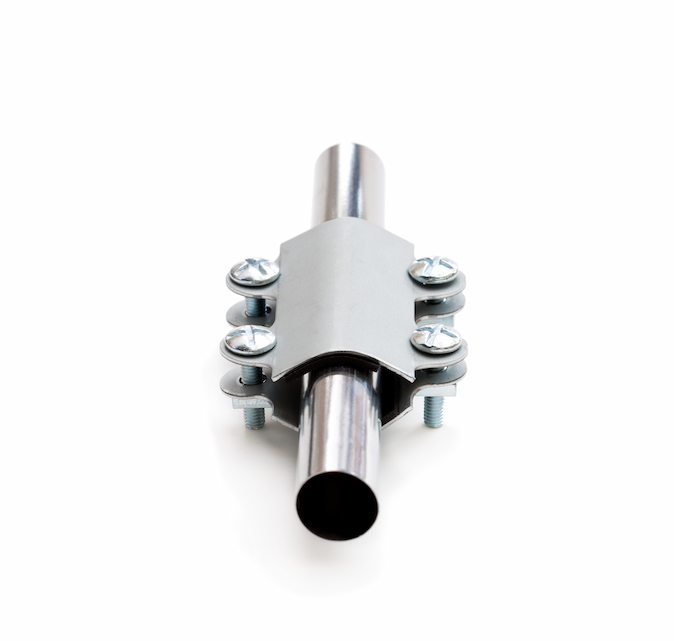
Installing a repair clamp may seem simple, but the result depends on much more than tightening a few bolts. A rushed repair, the wrong fit, or poor prep can lead to seepage, repeat leaks, or a clamp that never seals the way it should. The Smith-Blair 226 pipe repair clamp is built for damaged pipe sections, but even a reliable option needs the right installation approach to perform well. Understanding where mistakes happen can save time, reduce frustration, and help you make a better repair decision from the start. In today’s blog, we will look at common clamp issues and whether one can help with a leaking joint, so keep reading to learn more!
What are common problems with pipe repair clamps?
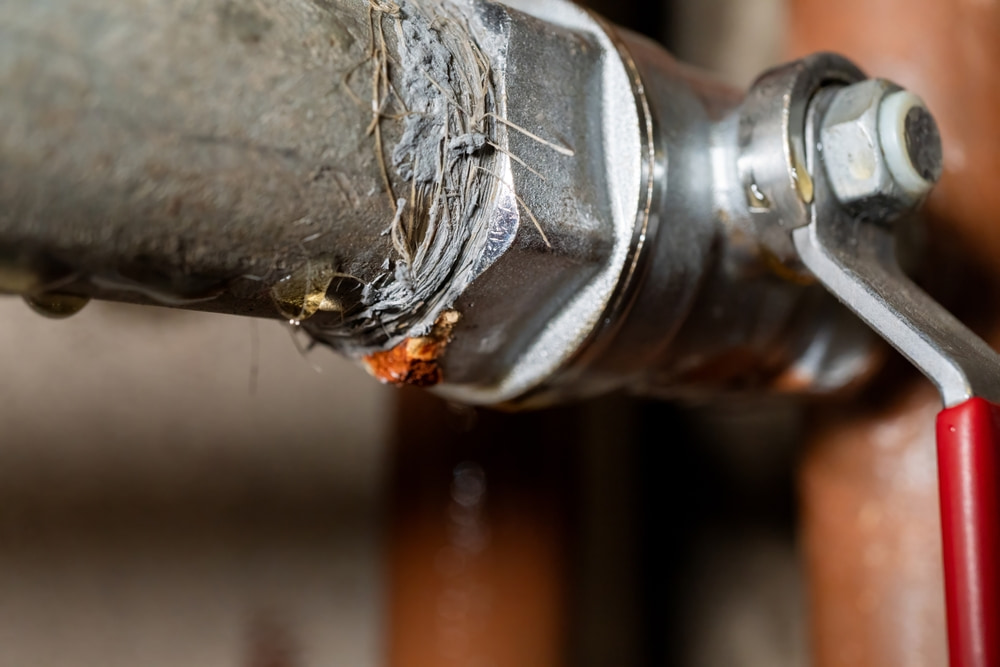 Most problems with these mechanical devices come down to avoidable installation issues. The clamp itself may be fine, but the setup around it often determines whether the repair actually holds. Some common mistakes people make are:
1. Using the wrong size
A clamp needs to match the outside diameter of the pipe. If it is too small, it will not sit properly. If it is too large, it may not apply enough pressure to create a dependable seal. That is one reason the basics of pipe repair clamps matter before any installation begins. A better fit usually leads to a better result.
2. Failing to clean the surface
A dirty or uneven pipe surface can get in the way of a proper seal. Rust flakes, scale, grime, or moisture may prevent the gasket from making full contact with the pipe. Even a high-quality clamp can struggle if the repair area is not cleaned and checked first.
3. Misaligning the clamp
The damaged section has to sit fully within the sealing area. If the sleeve is centered too high, too low, or slightly off to one side, it may allow water to keep escaping. This is especially important in pipe repair clamps in industrial settings, where pressure and operating demands can make small alignment issues much more obvious.
4. Tightening bolts unevenly
Bolts should be tightened gradually and in a balanced pattern. When one side is tightened too much before the other, the seal can become uneven. That may create weak spots around the damaged area and shorten the life of the repair. Balanced pressure usually matters more than speed.
5. Using it for major damage
This solution is best for localized trouble, not a pipe that is failing across a long section. If corrosion is widespread or the line has repeated issues in the same area, a clamp may only offer limited help. In that situation, it helps to watch for signs that a pipe repair clamp needs replacement so a temporary fix does not linger too long.
Can a pipe repair clamp fix a leaking joint?
Yes, a pipe repair clamp can sometimes fix a leaking joint, but the answer depends on what caused the leak in the first place.
When it can help
If the joint is leaking from a small crack, pinhole, or isolated weak spot, a clamp can often create enough sealing pressure to control the leak. This works best when the surrounding pipe is still in decent shape, and the damage is limited to one area.
When it may not be enough
If the joint is leaking because of movement, poor alignment, severe corrosion, or a larger structural issue, the clamp may not solve the real problem. It might slow the leak for a while, but it will not always deliver a lasting answer when the pipe itself is unstable.
What to check first
Before using a sleeve like this on a leaking joint, look at the condition of the pipe, the size of the leak, and how much pressure the system carries. It works best when the damaged area can still support even pressure around the seal. If the surface is too compromised, a different repair approach may make more sense.
Where can I order the smith-blair 226 pipe repair clamp?
 When a repair needs to happen quickly, having the right source matters just as much as having the right product. Blair Supply Page helps customers across the entire United States find dependable pipe repair options for real-world system conditions, whether the goal is stopping an active leak, addressing a problem joint, or planning for a more secure repair. Our team can help you sort through sizing, application details, and related sealing solutions so you can order with more confidence and less guesswork. Contact us today for expert help choosing the right repair product for your system!